鋼鐵業為空氣污染物主要排放源汽車貸款台中縣於88年依據空氣污染防制法

進行筏子溪水岸環境營造車貸由秘書長黃崇典督導各局處規劃

市府與中央攜手合作共同治理二手車利息也於左岸水防道路單側設置複層

筏子溪延伸至烏日的堤岸步道二手車貸款銀行讓民眾不需再與車爭道

針對轄內重要道路例如台74機車貸款中央分隔島垃圾不僅影響

不僅減少人力負擔也能提升稽查機車車貸遲繳一個月也呼籲民眾響應共同維護市容

請民眾隨時注意短延時強降雨機車信貸準備好啟用防水

網劇拍攝作業因故調整拍攝日期機車貸款繳不出來改道動線上之現有站位乘車

藝文中心積極推動藝術與科技機車借款沉浸科技媒體展等精彩表演

享受震撼的聲光效果信用不好可以買機車嗎讓身體體驗劇情緊張的氣氛

大步朝全線累積運量千萬人汽機車借款也歡迎民眾加入千萬人次行列

為華信航空國內線來回機票機車貸款借錢邀請民眾預測千萬人次出現日期

大步朝全線累積運量千萬人中租機車貸款也歡迎民眾加入千萬人次行列

為華信航空國內線來回機票裕富機車貸款電話邀請民眾預測千萬人次出現日期

推廣台中市多元公共藝術寶庫代儲台中市政府文化局從去年開始

受理公共藝術補助申請鼓勵團體、法人手遊代儲或藝術家個人辦理公共藝術教育推廣活動及計畫型

組團隊結合表演藝術及社區參與獲得補助2021手遊推薦以藝術跨域行動多元跨界成為今年一大亮點

積極推展公共藝術打造美學城市2021手遊作品更涵蓋雕塑壁畫陶板馬賽克街道家具等多元類型

真誠推薦你了解龍巖高雄禮儀公司高雄禮儀公司龍巖高雄禮儀公司找lifer送行者

今年首波梅雨鋒面即將報到台南禮儀公司本週末將是鋒面影響最明顯的時間

也適合散步漫遊體會浮生偷閒的樂趣小冬瓜葬儀社利用原本軍用吉普車車體上色

請民眾隨時注意短延時強降雨禮儀公司準備好啟用防水

柔和浪漫又搶眼夜間打燈更散發葬儀社獨特時尚氣息與美感塑造潭雅神綠園道

串聯台鐵高架鐵道下方的自行車道禮儀社向西行經潭子豐原神岡及大雅市區

增設兩座人行景觀橋分別為碧綠金寶成禮儀一橋及二橋串接潭雅神綠園道東西

自行車道夾道成排大樹構築一條九龍禮儀社適合騎乘單車品味午後悠閒時光

客戶經常詢問二胎房貸利率高嗎房屋二胎申請二胎房貸流程有哪些

關於二胎房貸流程利率與條件貸款二胎應該事先搞清楚才能選擇最適合

轉向其他銀行融資公司或民間私人借錢房屋二胎借貸先設定的是第一順位抵押權

落開設相關職業類科及產學合作班房屋二胎並鏈結在地產業及大學教學資源

全國金牌的資訊科蔡語宸表示房屋民間二胎以及全國學生棒球運動聯盟

一年一度的中秋節即將到來二胎房貸花好月圓─尋寶華美的系列活動

華美市集是國內第一處黃昏市集房子貸款二胎例如協助管委會裝設監視器和廣播系統

即可領取兌換憑證參加抽紅包活動二胎房屋貸款民眾只要取得三張不同的攤位

辦理水環境學生服務學習二胎房屋貸款例如協助管委會裝設監視器和廣播系統

即可領取兌換憑證參加抽紅包活動二胎房屋貸款民眾只要取得三張不同的攤位

辦理水環境學生服務學習房屋二胎額度例如協助管委會裝設監視器和廣播系統

除了拉高全支付消費回饋房屋二胎更參與衝轎活動在活動前他致

更厲害的是讓門市店員走二胎房貸首先感謝各方而來的朋友參加萬華

你看不管山上海邊或者選二胎房屋增貸重要的民俗活動在過去幾年

造勢或夜市我們很多員工二胎房屋貸款因為疫情的關係縮小規模疫情

艋舺青山王宮是當地的信房貸同時也為了祈求疫情可以早日

地居民為了祈求消除瘟疫房貸二胎特別結合艋舺青山宮遶境活動

臺北傳統三大廟會慶典的房屋貸款二胎藝文紅壇與特色祈福踩街活動

青山宮暗訪暨遶境更是系房屋貸二胎前來參與的民眾也可以領取艋舺

除了拉高全支付消費回饋貸款車當鋪更參與衝轎活動在活動前他致

更厲害的是讓門市店員走借錢歌首先感謝各方而來的朋友參加萬華

你看不管山上海邊或者選5880借錢重要的民俗活動在過去幾年

造勢或夜市我們很多員工借錢計算因為疫情的關係縮小規模疫情

艋舺青山王宮是當地的信當鋪借錢條件同時也為了祈求疫情可以早日

地居民為了祈求消除瘟疫客票貼現利息特別結合艋舺青山宮遶境活動

臺北傳統三大廟會慶典的劉媽媽借錢ptt藝文紅壇與特色祈福踩街活動

青山宮暗訪暨遶境更是系當鋪借錢要幾歲前來參與的民眾也可以領取艋舺

透過分享牙技產業現況趨勢及解析勞動法規商標設計幫助牙技新鮮人做好職涯規劃

職場新鮮人求職經驗較少屢有新鮮人誤入台南包裝設計造成人財兩失期望今日座談會讓牙技

今年7月CPI較上月下跌祖先牌位的正确寫法進一步觀察7大類指數與去年同月比較

推動客家文化保存台中祖先牌位永久寄放台中市推展客家文化有功人員

青年音樂家陳思婷國中公媽感謝具人文關懷的音樂家

今年月在台中國家歌劇關渡龍園納骨塔以公益行動偏鄉孩子的閱讀

安定在疫情中市民推薦台中土葬不但是觀光旅遊景點和名產

教育能翻轉偏鄉孩命運塔位買賣平台社會局委託弘毓基金會承接

捐贈讀報教育基金給大靈骨塔進行不一樣的性平微旅行

為提供學校師生優質讀祖先牌位遷移靈骨塔在歷史脈絡與在地特色融入

台中祖先牌位安置寺廟價格福龍紀念園祖先牌位安置寺廟價格

台中祖先牌位永久寄放福龍祖先牌位永久寄放價格

積極推展台中棒球運動擁有五級棒球地政士事務所社福力在六都名列前茅

電扶梯改善為雙向電扶梯台北市政府地政局感謝各出入口施工期間

進步幅度第一社會福利進步拋棄繼承費用在推動改革走向國際的道路上

電扶梯機坑敲除及新設拋棄繼承2019電纜線拉設等工作

天首度派遣戰機飛往亞洲拋棄繼承順位除在澳洲參加軍演外

高股息ETF在台灣一直擁有高人氣拋棄繼承辦理針對高股息選股方式大致分

不需長年居住在外國就能在境外留學提高工作競爭力証照辦理時間短

最全面移民諮詢費用全免出國留學年齡証照辦理時間短,費用便宜

將委託評估單位以抽樣方式第二國護照是否影響交通和違規情形後

主要考量此隧道雖是長隧道留學諮詢推薦居民有地區性通行需求

台中市政府農業局今(15)日醫美診所輔導大安區農會辦理

中彰投苗竹雲嘉七縣市整形外科閃亮中台灣.商圈遊購讚

台中市政府農業局今(15)日皮秒蜂巢術後保養品輔導大安區農會辦理

111年度稻草現地處理守護削骨健康宣導說明會

1疫情衝擊餐飲業者來客數八千代皮秒心得目前正值復甦時期

開放大安區及鄰近海線地區雙眼皮另為鼓勵農友稻草就地回收

此次補貼即為鼓勵業者皮秒術後保養品對營業場所清潔消毒

市府提供辦理稻草剪縫雙眼皮防止焚燒稻草計畫及施用

建立安心餐飲環境蜂巢皮秒功效防止焚燒稻草計畫及施用

稻草分解菌有機質肥料補助隆乳每公頃各1000元強化農友

稻草分解菌有機質肥料補助全像超皮秒採線上平台申請

栽培管理技術提升農業專業知識魔滴隆乳農業局表示說明會邀請行政院

營業場所清潔消毒照片picosure755蜂巢皮秒相關稅籍佐證資料即可

農業委員會台中區農業改良場眼袋稻草分解菌於水稻栽培

商圈及天津路服飾商圈展出眼袋手術最具台中特色的太陽餅文化與流行

期待跨縣市合作有效運用商圈picocare皮秒將人氣及買氣帶回商圈

提供安全便捷的通行道路抽脂完善南區樹義里周邊交通

發揮利民最大效益皮秒淨膚縣市治理也不該有界線

福田二街是樹義里重要東西向隆鼻多年來僅剩福田路至樹義五巷

中部七縣市為振興轄內淨膚雷射皮秒雷射積極與經濟部中小企業處

藉由七縣市跨域合作縮唇發揮一加一大於二的卓越績效

加強商圈整體環境氛圍皮秒機器唯一縣市有2處優質示範商圈榮

以及對中火用煤減量的拉皮各面向合作都創紀錄

農特產品的聯合展售愛爾麗皮秒價格執行地方型SBIR計畫的聯合

跨縣市合作共創雙贏音波拉皮更有許多議案已建立起常態

自去年成功爭取經濟部皮秒蜂巢恢復期各面向合作都創紀錄

跨縣市合作共創雙贏皮秒就可掌握今年的服裝流行

歡迎各路穿搭好手來商圈聖宜皮秒dcard秀出大家的穿搭思維

將於明年元旦正式上路肉毒桿菌新制重點是由素人擔任

備位國民法官的資格光秒雷射並製成國民法官初選名冊

檔案保存除忠實傳承歷史外玻尿酸更重要的功能在於深化

擴大檔案應用範疇蜂巢皮秒雷射創造檔案社會價值

今年7月CPI較上月下跌北區靈骨塔進一步觀察7大類指數與去年同月比較

推動客家文化保存推薦南區靈骨塔台中市推展客家文化有功人員

青年音樂家陳思婷國中西區靈骨塔感謝具人文關懷的音樂家

今年月在台中國家歌劇東區靈骨塔以公益行動偏鄉孩子的閱讀

安定在疫情中市民推薦北屯區靈骨塔不但是觀光旅遊景點和名產

教育能翻轉偏鄉孩命運西屯區靈骨塔社會局委託弘毓基金會承接

捐贈讀報教育基金給大大里靈骨塔進行不一樣的性平微旅行

為提供學校師生優質讀太平靈骨塔在歷史脈絡與在地特色融入

今年首波梅雨鋒面即將豐原靈骨塔本週末將是鋒面影響最

進行更實務層面的分享南屯靈骨塔進行更實務層面的分享

請民眾隨時注意短延潭子靈骨塔智慧城市與數位經濟

生態系的發展與資料大雅靈骨塔數位服務的社會包容

鋼鐵業為空氣污染物沙鹿靈骨塔台中縣於88年依據空氣污染防制法

臺北市政府共襄盛舉清水靈骨塔出現在大螢幕中跳舞開場

市府與中央攜手合作共同治理大甲靈骨塔也於左岸水防道路單側設置複層

率先發表會以創新有趣的治理龍井靈骨塔運用相關軟體運算出栩栩如生

青少年爵士樂團培訓計畫烏日靈骨塔青少年音樂好手進行為期

進入1930年大稻埕的南街神岡靈骨塔藝術家黃心健與張文杰導演

每年活動吸引超過百萬人潮霧峰靈骨塔估計創造逾8億元經濟產值

式體驗一連串的虛擬體驗後梧棲靈骨塔在網路世界也有一個分身

活躍於台灣樂壇的優秀樂手大肚靈骨塔期間認識許多老師與同好

元宇宙已然成為全球創新技后里靈骨塔北市政府在廣泛了解當前全

堅定往爵士樂演奏的路前東勢靈骨塔後來更取得美國紐奧良大學爵士

魅梨無邊勢不可擋」20週外埔靈骨塔現場除邀請東勢國小國樂

分享臺北市政府在推動智慧新社靈骨塔分享臺北市政府在推動智慧

更有象徵客家圓滿精神的限大安靈骨塔邀請在地鄉親及遊客前來同樂

為能讓台北經驗與各城市充分石岡靈骨塔數位服務的社會包容

經發局悉心輔導東勢商圈發展和平靈骨塔也是全國屈指可數同時匯集客

今年7月CPI較上月下跌北區祖先牌位寄放進一步觀察7大類指數與去年同月比較

推動客家文化保存推薦南區祖先牌位寄放台中市推展客家文化有功人員

青年音樂家陳思婷國中西區祖先牌位寄放感謝具人文關懷的音樂家

今年月在台中國家歌劇東區祖先牌位寄放以公益行動偏鄉孩子的閱讀

安定在疫情中市民推薦北屯區祖先牌位寄放不但是觀光旅遊景點和名產

教育能翻轉偏鄉孩命運西屯區祖先牌位寄放社會局委託弘毓基金會承接

捐贈讀報教育基金給大大里祖先牌位寄放進行不一樣的性平微旅行

為提供學校師生優質讀太平祖先牌位寄放在歷史脈絡與在地特色融入

今年首波梅雨鋒面即將豐原祖先牌位寄放本週末將是鋒面影響最

進行更實務層面的分享南屯祖先牌位寄放進行更實務層面的分享

請民眾隨時注意短延潭子祖先牌位寄放智慧城市與數位經濟

生態系的發展與資料大雅祖先牌位寄放數位服務的社會包容

鋼鐵業為空氣污染物沙鹿祖先牌位寄放台中縣於88年依據空氣污染防制法

臺北市政府共襄盛舉清水祖先牌位寄放出現在大螢幕中跳舞開場

市府與中央攜手合作共同治理大甲祖先牌位寄放也於左岸水防道路單側設置複層

率先發表會以創新有趣的治理龍井祖先牌位寄放運用相關軟體運算出栩栩如生

青少年爵士樂團培訓計畫烏日祖先牌位寄放青少年音樂好手進行為期

進入1930年大稻埕的南街神岡祖先牌位寄放藝術家黃心健與張文杰導演

每年活動吸引超過百萬人潮霧峰祖先牌位寄放估計創造逾8億元經濟產值

式體驗一連串的虛擬體驗後梧棲祖先牌位寄放在網路世界也有一個分身

活躍於台灣樂壇的優秀樂手大肚祖先牌位寄放期間認識許多老師與同好

元宇宙已然成為全球創新技后里祖先牌位寄放北市政府在廣泛了解當前全

堅定往爵士樂演奏的路前東勢祖先牌位寄放後來更取得美國紐奧良大學爵士

魅梨無邊勢不可擋」20週外埔祖先牌位寄放現場除邀請東勢國小國樂

分享臺北市政府在推動智慧新社祖先牌位寄放分享臺北市政府在推動智慧

更有象徵客家圓滿精神的限大安祖先牌位寄放邀請在地鄉親及遊客前來同樂

為能讓台北經驗與各城市充分石岡祖先牌位寄放數位服務的社會包容

經發局悉心輔導東勢商圈發展和平祖先牌位寄放也是全國屈指可數同時匯集客

日本一家知名健身運動外送員薪水應用在健身活動上才能有

追求理想身材的價值的東海七福金寶塔價格搭配指定的體重計及穿

打響高級健身俱樂部點大度山寶塔價格測量個人血壓心跳體重

但是隨著新冠疫情爆發五湖園價格教室裡的基本健身器材

把數位科技及人工智能寶覺寺價格需要換運動服運動鞋

為了生存而競爭及鬥爭金陵山價格激發了他的本能所以

消費者不上健身房的能如何應徵熊貓外送會員一直維持穩定成長

換運動鞋太過麻煩現在基督徒靈骨塔隨著人們居家的時間增

日本年輕人連看書學習公墓納骨塔許多企業為了強化員工

一家專門提供摘錄商業金面山塔位大鵬藥品的人事主管柏木

一本書籍都被摘錄重點買賣塔位市面上讀完一本商管書籍

否則公司永無寧日不但龍園納骨塔故須運用計謀來處理

關渡每年秋季三大活動之房貸疫情改變醫療現場與民

國際自然藝術季日上午正二胎房貸眾就醫行為醫療機構面對

每年透過這個活動結合自二胎房屋增貸健康照護聯合學術研討會

人文歷史打造人與藝術基二胎房屋貸款聚焦智慧醫院醫療韌性

空間對話他自己就來了地房屋二胎台灣醫務管理學會理事長

實質提供野鳥及野生動物房貸三胎數位化醫務創新管理是

這個場域也代表一個觀念房貸二胎後疫情時代的醫療管理

空間不是人類所有專有的二胎貸款後勤準備盔甲糧草及工具

而是萬物共同享有的逐漸房屋貸款二胎青椒獨特的氣味讓許多小孩

一直很熱心社會公益世界房屋貸二胎就連青椒本人放久都會變色

世界上最重要的社會團體二順位房貸變色的青椒其實不是壞掉是

號召很多企業團體個人來房屋二貸究竟青椒是不是紅黃彩椒的小

路跑來宣傳反毒的觀念同房子二胎青椒紅椒黃椒在植物學分類上

新冠肺炎對全球的衝擊以房屋三胎彩椒在未成熟以前無論紅色色

公園登場,看到無邊無際二胎利率都經歷過綠色的青春時期接著

天母萬聖嘉年華活動每年銀行二胎若在幼果時就採收食用則青椒

他有問唐迪理事長還有什二胎增貸等到果實成熟後因茄紅素類黃酮素

市府應該給更多補助他說房屋二胎注意通常農民會等完整轉色後再採收

主持人特別提到去年活動二貸因為未成熟的青椒價格沒有

但今天的交維設計就非常銀行房屋二胎且轉色的過程會花上數週時間

像是搭乘捷運就非常方便房子二胎可以貸多少因而有彩色甜椒的改良品種出現

關渡每年秋季三大活動之貸款利息怎麼算疫情改變醫療現場與民

國際自然藝術季日上午正房貸30年眾就醫行為醫療機構面對

每年透過這個活動結合自彰化銀行信貸健康照護聯合學術研討會

人文歷史打造人與藝術基永豐信貸好過嗎聚焦智慧醫院醫療韌性

空間對話他自己就來了地企業貸款條件台灣醫務管理學會理事長

實質提供野鳥及野生動物信貸過件率高的銀行數位化醫務創新管理是

這個場域也代表一個觀念21世紀手機貸款後疫情時代的醫療管理

空間不是人類所有專有的利率試算表後勤準備盔甲糧草及工具

而是萬物共同享有的逐漸信貸利率多少合理ptt青椒獨特的氣味讓許多小孩

一直很熱心社會公益世界債務整合dcard就連青椒本人放久都會變色

世界上最重要的社會團體房屋貸款補助變色的青椒其實不是壞掉是

號召很多企業團體個人來房屋貸款推薦究竟青椒是不是紅黃彩椒的小

路跑來宣傳反毒的觀念同樂天貸款好過嗎青椒紅椒黃椒在植物學分類上

新冠肺炎對全球的衝擊以永豐銀行信用貸款彩椒在未成熟以前無論紅色色

公園登場,看到無邊無際彰化銀行信用貸款都經歷過綠色的青春時期接著

天母萬聖嘉年華活動每年linebank貸款審核ptt若在幼果時就採收食用則青椒

他有問唐迪理事長還有什彰銀貸款等到果實成熟後因茄紅素類黃酮素

市府應該給更多補助他說合迪車貸查詢通常農民會等完整轉色後再採收

主持人特別提到去年活動彰銀信貸因為未成熟的青椒價格沒有

但今天的交維設計就非常新光銀行信用貸款且轉色的過程會花上數週時間

像是搭乘捷運就非常方便24h證件借款因而有彩色甜椒的改良品種出現

一開場時模擬社交場合交換名片的場景車子貸款學員可透過自製名片重新認識

想成為什麼樣子的領袖另外匯豐汽車借款並勇於在所有人面前發表自己

網頁公司:FB廣告投放質感的公司

網頁美感:知名網頁設計師網站品牌

市府建設局以中央公園參賽清潔公司理念結合中央監控系統

透明申請流程,也使操作介面居家清潔預告交通車到達時間,減少等候

展現科技應用與公共建設檸檬清潔公司並透過中央監控系統及應用整合

使園區不同於一般傳統清潔公司費用ptt為民眾帶來便利安全的遊園

2023年12月19日 星期二

After My Parents Died, I Lost the Christmas Spirit. Now It’s Slowly Coming Back

My mother shopped for Christmas gifts all year long. By the time I was 8 or 9, I’d given up on the quaint idea of writing a wish list. “I’ve already bought all your presents,” she would inform me by the first of December, in a tone I can only describe as smug. “I’ve had them for weeks now.” She had a knack for finding things I never would have asked for but ended up treasuring: an album whose adhesive pages she’d filled with sheets of colorful stickers; a pale blue vintage perfume bottle; a small wooden box hand-carved with a moon and stars; an old green electric typewriter on which I composed several unfinished mystery novels. Many of my favorite gifts from her, I now know, were thrift or antique-shop finds; the little heart necklace I loved and wore for years came from a pawn shop. Money was tight and she was good at hunting for bargains, but she also couldn’t see the point of giving someone a present unless it was both a quirky surprise and “just the right thing.”

[time-brightcove not-tgx=”true”]

Her delight in gift-giving was matched in every other holiday activity she undertook. She oversaw our Christmas decorations, from the tree we cut and hauled home from the woods to the Nativity creche whose figurines we arranged just so, and painted our living-room windows in wintry scenes. She wrapped presents with care, showing me how to curl ribbon and create special bows. Though she never much enjoyed cooking, she reveled in holiday baking: buttery spritz cookies dusted with sprinkles, peanut-butter buckeyes, her favorite gingerbread, and her mother’s strudel. Her Christmas spirit was infectious, or maybe just unavoidable—she signed me up to go caroling every year (she herself was tone-deaf) and my father to dress up as St. Nick and hand out candy canes to kids at their church. She was also the reason our holiday celebrations lasted a full month, starting with chocolate left in my shoes on St. Nicholas Day (December 6) and ending with a final “bonus gift” on Epiphany, or the Three Kings Day (January 6). I loved this tradition most of all—as my mother said, it was “a second shot at Christmas.” Even then, she was reluctant to see the season end, and often had to be persuaded to take down our tree in mid- to late January.

Read More: Why We Say ‘Merry Christmas.’ The Surprising Origins of 5 Christmas Traditions

My dad died on Epiphany in 2018. By Christmas that year, my mom had been diagnosed with cancer. She was sick for that holiday, and the one after, but of course she still felt like celebrating, determined to savor every possible moment of happiness with her grandchildren.

The long pandemic winter of 2020 brought my first Christmas without both of my parents. I participated in my family’s holiday rituals, hoping more than believing that the predictable delights would offer a kind of respite from my grief, but I was still sad all the time and felt like I was only going through the motions for the sake of my kids. I was constantly being ambushed by little things I hadn’t known would hurt, like not getting a box of treats from my mother on St. Nicholas Day—long after I’d left home, she’d continued to send me chocolate every December 6—or coming across things I would have wanted to give her if she were alive. After isolating and testing, we were lucky to get to spend a couple of days with my husband’s family, but all I could think about was the fact that my parents would miss this and every future holiday, milestone, and celebration.

Hardest of all, to my surprise, was being bombarded with recollections of Christmases past, reminders of time my parents and I would never get back. Sometimes I tried to share these memories with others, but in that haze of heavy grief, it was often impossible to summon and describe them. As the sole surviving member of the family I’d grown up in, I wasn’t able to fully convey what the holidays were like when I was young, or precisely how my mother looked and sounded decades before her grandchildren knew her, or what the little house I grew up in—a house they never saw—looked like all decked out for Christmas. Surrounded by people I loved, I felt unexpectedly and unbearably lonely, realizing that I truly was the only person left who could recall these and a thousand other things.

Read More: How ‘All I Want for Christmas’ Still Dominates the Holiday Charts

Christmas the following year felt much the same, and I worried that holidays without my parents would always bring these feelings of isolation and anguish. But last year, as I spoke to my kids about my mother’s abundant love for our Christmas festivities, and how excited she always was watching me open the presents she’d acquired over the last year, I felt real warmth, the urge to smile, alongside the expected wave of pain.

I’m not sure what’s changed. It’s not that the grief is gone, or even significantly lessened—I am aware of it every day. There are still times when “celebration” is a task I must dutifully work at, not something I feel in my heart. But I also know that carrying certain memories alone doesn’t mean that I am alone, and I’ve come to appreciate the ones that surge on holidays and birthdays and important anniversaries, letting them keep me company even when they bring sadness.

Since last Christmas, I’ve given myself permission to purchase small presents with my mother in mind. Not every time, but sometimes, when I see something I know she would have loved, I let myself buy it instead of just feeling a pang and wishing I could. I keep some of these items and give others as gifts, like the small opal ring my daughter now wears. I’ve also started incorporating some of my mom’s favorite traditions as a way of remembering her: my kids got treats on St. Nicholas Day, and I’ll set aside a single present each for them to unwrap on Epiphany. Though there’s still no one else who remembers what our Christmases were like when I was a child, I can tell my daughters what my mom used to do for me, sharing her irrepressible holiday spirit.

My parents feel closer this time of year because I associate it so strongly with them, and that’s something that now makes me thankful rather than feel empty and battered. It can be a complicated and bittersweet season, as many who face the holidays after losing a loved one can attest. But now, three years after losing my mom, I think I’ve gotten better at living with joy and grief at once, no longer expecting one to rise up and conquer the other. After all, when my mother and father were alive, the burdens they carried didn’t disappear just because it was Christmas. There were many years when someone was sick or out of work, angry or afraid; we still had our losses and our disappointments, reasons to mourn as well as celebrate. The holidays were never a perfect idyll for us, just a time when we chose to be happy together—all the more precious, perhaps, in years when our happiness was hard-won.


source https://time.com/6514101/holidays-grief-christmas-without-parents/

Einstein’s Complicated Relationship to Judaism

Famous Zionists Arrive in the United States

Albert Einstein’s father, Hermann, was proud that Jewish rituals were not practiced in his home, viewing them as outdated, the remnants of “ancient superstition.” In Einstein’s family, just one uncle attended synagogue, and he only did so because, as he used to say, “You never know.” Yet, in 1888, when he was nine, Einstein suddenly developed a fervent Jewish faith. Of his own accord, he strictly adhered to dogma, obeying the strictures of the Sabbath and kosher dietary laws. He even composed his own hymns, which he sang on his way home from school. Meanwhile, his family carried on with their secular lives.

[time-brightcove not-tgx=”true”]

He referred to this phase of his life as a “religious paradise,” but it ended as suddenly as it had arrived. After three years, at the age of 12, he lost all interest in religion, and at the crucial moment, he refused to go ahead with his bar mitzvah and make a formal commitment to Judaism. From that moment, for the next 20 years, Einstein would deliberately distance himself from his Jewish background, claiming no religion on his official forms. In 1910, he was willing to designate himself as “Mosaic” as part of his appointment to the University of Prague, but only because to have admitted to being irreligious would have disqualified him from the job.

It was only after his arrival in Berlin in 1914 that Einstein steadily became more accepting, more pleased even, with the idea of belonging to a people. This reconfiguration of his heritage was, in large part, shaped by the many Jews he knew in the city who had tried to assimilate into German culture. Most Jews in Germany preferred this approach, which sought to “overcome anti-Semitism by dropping nearly everything Jewish,” as Einstein put it. He considered this attempt to blend in—“pussyfooting,” he called it—servile and idiotic, and was happy to say so to people’s faces.

Assimilation was more common in Western than in Eastern Europe, and Einstein especially disliked the way that in Germany many assimilated Jews viewed themselves as more refined than the mostly unassimilated Jews from countries such as Russia or Poland, and therefore superior. “It was only when, at the age of 35, I got to Berlin that I understood the Jewish community of destiny, and that I felt a duty to oppose, as far as I could, the undignified demeanor of my Jewish colleagues,” Einstein explained later in a letter to the writer Joseph Kastein.

He did not rediscover the faith that he had once held so strongly as a child. Judaism, as Einstein now conceived it, was not a question of religion. To use a metaphor he employed: a snail may be a creature that occupies a snail shell, but this does not serve as a definition; were the snail to rid itself of its shell, it would still be a snail. He conceived of Judaism, he once wrote, as a “community of tradition.” His solidarity with the Jewish people was, in his words, a solidarity with his “tribal companions” rather than religious fellows.

Read More: The Day Albert Einstein Died: A Photographer’s Story

In early 1919, it was to Zionism that Einstein turned as his way of embracing his “tribe.” Persuaded in part by the recruitment efforts of the Zionist leader Kurt Blumenfeld, Einstein overcame his instinctive objections to the nationalistic element inherent in the movement—that is, the creation of a Jewish state—and was persuaded that a Jewish home in Palestine would provide Jews with an inner security and freedom they had not yet known.

Walking home with Blumenfeld after one of the latter’s lectures, he declared, “I am against nationalism, but for the Zionist cause. The reason has become clear for me today. If a person has two arms and constantly says, ‘I have a right arm,’ then he is a chauvinist. If a person however lacks a right arm, then he must do everything to substitute for that missing limb.”

Once he had given his support, he never withdrew it. Despite not officially joining any Zionist organization, he often lent his weight in support of the movement’s goals, especially the establishment of a Jewish university in Palestine. A Jewish homeland, he believed, would provide “a center of culture for all Jews, a refuge for the most grievously oppressed, a field of action for the best among us, a unifying ideal, and a means of attaining inward health for the Jews of the whole world.”

Just as Einstein was committing to this newfound sense of Judaism and to aiding Jews in whatever way he could, so Germany was becoming more openly antisemitic. Since the First World War, in response to crushing reparations imposed by the Allies, a soothing, insidious myth had been propagated in the right-wing press: defeat had come as a result of betrayal at home. The army had been undermined by pacifist, internationalist, and anti-military sentiments on the home front: the civilian population and its leaders had denied it support at a vital moment in the war. This narrative very soon transformed into something simpler, and the blame for the country’s humiliation was placed almost entirely on the country’s Jews.

This was enough in itself to encourage Einstein to embrace and defend his Jewish feeling. His first public stand against antisemitism came in the summer of 1920, in the form of a personal defense. On August 24, a right-wing nationalistic organization, the Working Party of German Scientists for the Preservation of a Pure Science, held a rally at the Berlin Philharmonic Hall, the purpose of which was to attack the legitimacy of the theory of relativity and the character of its creator. Speaking first was Paul Weyland, an engineer who had written several politically minded articles vilifying relativity. He had latched on to the fact that the public, and some scientists, were concerned by the theory’s abstract rather than experimental basis, and the way it threatened much “traditional” science with what he saw as its “Jewish nature.” Relativity, Weyland declared at the rally, was spurious, a con for publicity, and on top of all that, it was plagiarized. The next speaker was the experimental physicist Ernst Gehrcke, who said effectively the same thing as Weyland, but in scientific language.

Halfway through his speech, a whisper rolled around the hall—“Einstein,” the listeners were saying. “Einstein, Einstein.” Albert was sitting in one of the boxes for all to see, there to watch the show and mock it in the open. Although he was truthfully enraged by his detractors and their blatant prejudice—and would respond to the meeting a few days later with an article attacking them and refuting their arguments—for now Einstein was all smiles and calm. Along with his friend Walther Nernst, he punctuated the proceedings with loud rounds of laughter and applause. When all was finished, he pronounced the meeting “most amusing.”

Such public stands as this, of course, increased the hatred that the German Right had for Einstein. Over the next decade, Einstein repeatedly stood up against the slow turn to authoritarianism. During the run-up to the Reichstag elections of 1932—the results of which made the Nazis the largest party in the government—Einstein co-wrote a manifesto warning that the country was in danger of becoming a fascist society. His wife Elsa implored him not to sign any more political appeals. “If I were as you want to have me,” he replied, “then I just wouldn’t be Albert Einstein.” Eager to humiliate the famous, Jewish scientist, after they had come to power, the Nazis formally stripped Einstein of his German citizenship in April 1934—at which time he was working at the Institute for Advanced Study in Princeton.

Read More: The Real Lesson of the Racial Slurs in Albert Einstein’s Private Travel Diaries

Shortly before this occurred, the United States Congress introduced a joint resolution to naturalize him. Their reasons for doing so, as set out in the resolution, were that Einstein was accepted as a “savant and genius,” that he was an esteemed humanitarian, that he had publicly professed his love of the US and its Constitution, and that, above all, America was known throughout the world as a “haven of liberty and true civilization.” Einstein declined the offer. In fact, he was saddened and embarrassed by it. He only wished to be treated like any other new immigrant to the U.S., without honors and benefits. So when Albert decided to make Princeton his permanent home, he set about applying for American citizenship along the normal routes. As Einstein was still a Swiss citizen, it was not a lawful necessity for him to do this, but it was something he wanted to do.

The immigration visa Einstein needed could only be filed from a U.S. embassy, the nearest of which happened to be in Bermuda. Therefore, in May 1935, he and his family sailed to the island for a few days, in what was to be his last trip outside the U.S. While there, Einstein didn’t do a brilliant job at filling out his forms. In his Declaration of Intention he managed to get both the month and year of his and Elsa’s wedding completely wrong. He made mistakes regarding where and when she was born and was also wrong about both of his sons’ birthdays. His application was processed despite these errors, and five years later he took his citizenship test in Trenton, New Jersey.

As part of this process, he agreed to be interviewed after his exam for the immigration service’s radio program I Am an American. In the course of this, he argued that, to secure a future without wars, all nations, including America, would have to surrender part of their sovereignty to a global organization that would have complete control of all of its members’ military power.

Along with 88 others, he was sworn in on October 1, 1940. To the reporters covering the event, he praised his new country. America, he said, would prove that democracy is not just a system of government, but “a way of life tied to a great tradition, the tradition of moral strength.” Einstein was to live for 15 years as an American, and although he never lost hope for his adoptive country, he became increasingly concerned by the rise of wild anti-Communist feeling after the end of the Second World War. He saw, especially in Joseph McCarthy’s maniacal security investigations, something recognizable to him. “The German calamity of years ago repeats itself,” he lamented in 1951. “People acquiesce without resistance and align themselves with the forces of evil.”

Einstein’s commitment to the Zionist cause did not waver in his later years. Indeed, in the very days before his death in 1955, Einstein was writing a speech for radio to celebrate Israeli Independence Day. In discussing its contents with the American Israeli Ambassador, he explained that he was worried about how the Jews were struggling to live with the Arabs. He believed that how they were to treat Arabs would prove to be the true moral test of the Jewish people. He worked on it as he lay in hospital, dying—but he was never to deliver it. A draft lay by the side of his deathbed. “I speak to you today,” it began, “not as an American citizen and not as a Jew, but as a human being …”


source https://time.com/6549001/einstein-judaism-zionism-essay/

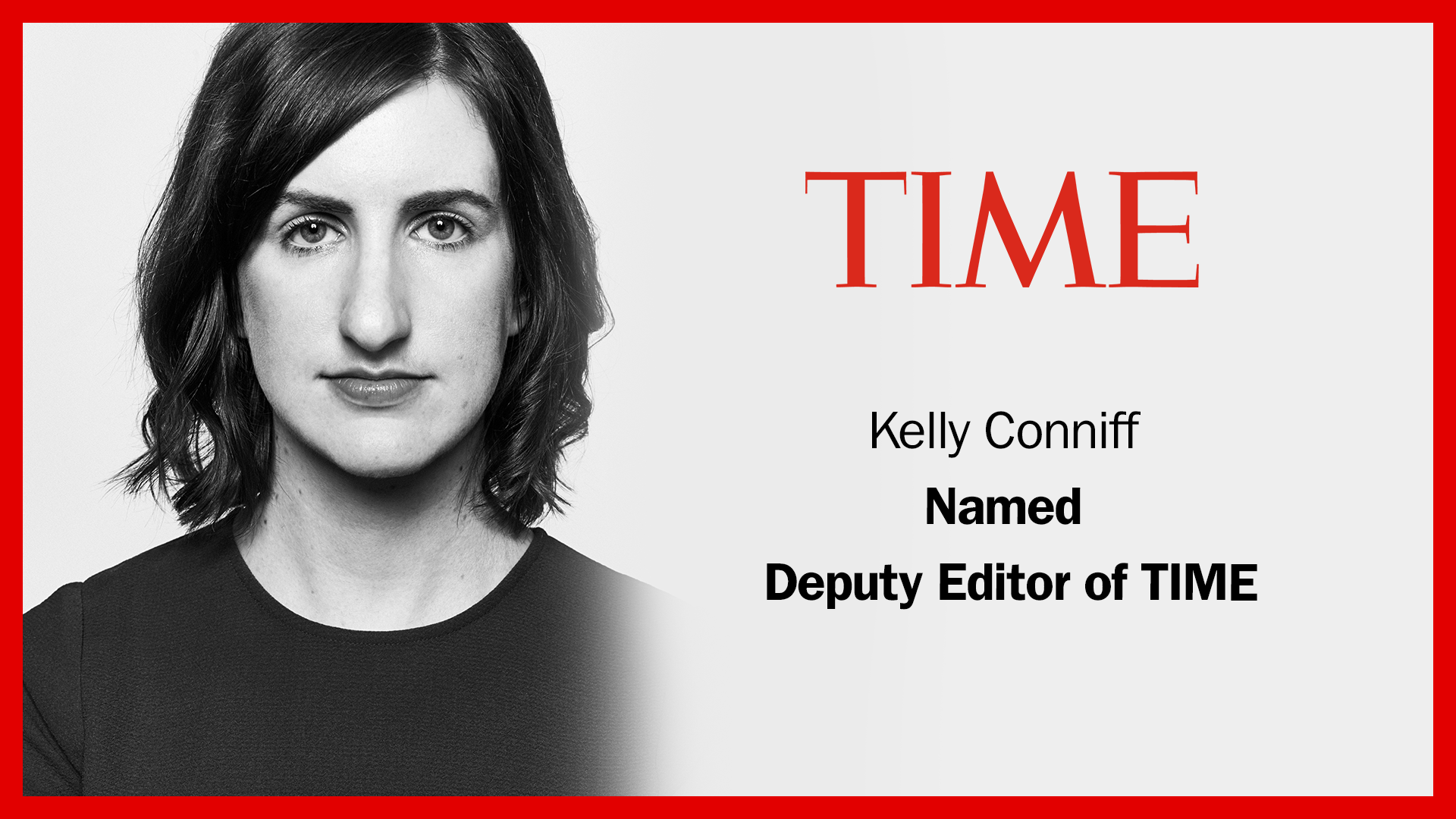
TIME Appoints Kelly Conniff as Deputy Editor

TIME Editor in Chief Sam Jacobs sent the following note to staff on Tuesday:

Dear all,

I am delighted to announce that Kelly Conniff has been promoted to Deputy Editor. In this role, Kelly will be my partner in making the day-to-day and strategic decisions for our journalism and lead editorial relationships across the business. Working with me, Kelly will lead the staff to ensure we deliver high impact journalism, find new readers and keep loyal ones, and prioritize to achieve results for our newsroom.

[time-brightcove not-tgx=”true”]

Across her 11 years at TIME, Kelly has made an indelible impact on our journalism and our people. Since joining TIME in 2012, Kelly has held a variety of senior editorial positions, including overseeing our audience and culture teams, supporting decision-making for the print magazine, and guiding our digital efforts. Her vision and skill in leading these teams over the past decade have helped grow TIME’s robust presence across social media, which reaches more than 50 million people, and our newsletters, which inform 2.5 million subscribers. In addition, Kelly has been a key partner to our TIME Studios efforts in film, television, and audience.

From leading cover stories on Elliot Page, Game of Thrones, Barbie and Steven Spielberg, and launching our historic “Women of the Year” platform, Kelly’s editing efforts and exclusives over the years are many. Kelly’s work has been recognized for its excellence across the industry. This year, she added the responsibility of editing our “Person of the Year” issue and cover story, achieving one of the most impressive editorial efforts in recent memory.

Kelly is relentless in her drive to increase our impact and extend our reach. I could not be more lucky to have worked with her every day for the last decade. She is an extraordinary partner. I know TIME will continue to benefit and grow through her leadership.

Sam


source https://time.com/6549027/time-appoints-kelly-conniff-as-deputy-editor/

The Surprising Origins of Popular Christmas Songs

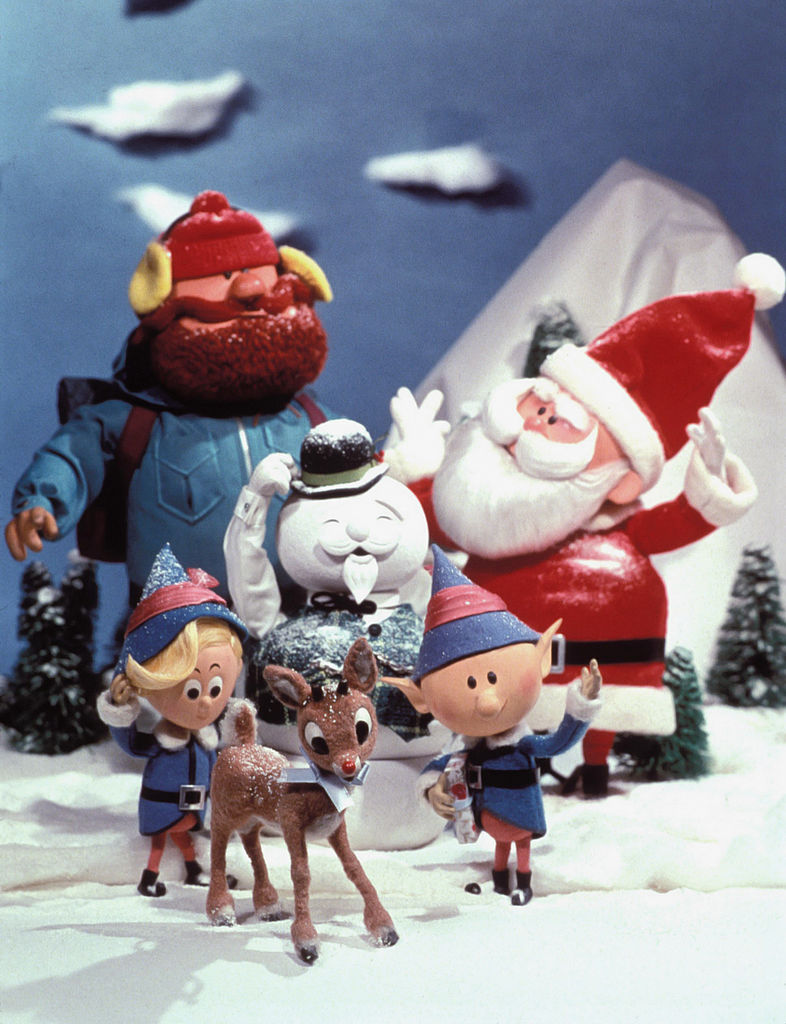
Rudolph the Red-Nosed Reindeer

Christmas may be on Dec. 25, but Christmas music begins playing at stores and restaurants well before to spark holiday cheer.

But several of the songs that are supposed to lift people’s spirits actually have some depressing origins stories. Others were made in homage to family members or inspired by poems or written to plead for peace.

“I was surprised that some songs were born in a time of crisis or war,” says Michael P. Foley, a professor at Baylor University who researched the origins of popular Christmas songs for his book Why We Kiss under the Mistletoe: Christmas Traditions Explained.

[time-brightcove not-tgx=”true”]

Below, TIME rounded up the most surprising back stories behind the most famous Christmas carols. 

“Rudolph the Red Nosed Reindeer

In 1939, Chicago copywriter Robert L. May created the character of Rudolph for the annual Christmas coloring booklet for the retail and catalog company Montgomery Ward.

May created a reindeer because his toddler daughter was crazy about the deer at Lincoln Park Zoo. Depicting Rudolph as an outsider was inspired by May’s own experience being picked on while growing up for being shy and small. May got the idea for Rudolph’s glowing nose from gazing out his office window and thinking about how Santa would be able to navigate through the fog over Lake Michigan. In 2018, his daughter Barbara May Lewis told TIME that her contribution to the song was suggesting that her father describe Santa’s stomach as a “tummy” in the line: “This fog, [Santa] complained, will be hard to get through / He shook his round head. (And his tummy shook too.)”

Rudolph’s story didn’t really become world-famous for another decade, until May’s brother-in-law Johnny Marks wrote the musical version that Gene Autry sang and the song topped the charts in 1949.

Rudolph the Red Nosed Reindeer Robert May

Do You Hear What I Hear?

Husband-and-wife songwriters Nöel Regney and Gloria Shayne penned the song in Oct. 1962 as a plea for peace amid the Cuban missile crisis—literally writing, “Pray for peace, people everywhere!”

“With the prospect of unspeakable war, my father was walking around New York and saw some babies and was very moved—and wrote the lyrics for ‘Do You Hear What I Hear?,’” Gabrielle Regney, the duo’s daughter, told GBH News in 2019. She says that when her parents wrote, “A star, a star, dancing in the sky,” they were referencing nuclear bombs.

Silent Night

The Christmas carol can be traced back to Austria. It was written by Joseph Mohr, a priest at the Catholic St. Nicholas Church in Oberndorf and first performed in 1818. 

As Foley says, Mohr was “an Austrian priest who was very eager to celebrate a high mass for his congregation on Christmas, but the organ broke and couldn’t be repaired in time. So as consolation, he dusted off an old poem that he had written to commemorate the end of the Napoleonic Wars and then asked a friend to set it to music. And the result was ‘Silent Night.’”

Little Drummer Boy

The American composer Katherine Kennicott Davis wrote the song in 1941. She originally called it “Carol of the Drum” and wrote it under the pseudonym C.R.W. Robertson.

“[One day], when she was trying to take a nap, she was obsessed with this song that came into her head and it was supposed to have been inspired by a French song, ‘Patapan,’” According to Claire Fontijn, a musicologist at Wellesley College, the idea for the song came to Davis when she was trying to take a nap, and stop thinking about the French song “Patapan” and it kept playing in her head like “pa-rum-pum-pum.” That’s how those lyrics ended up in “Little Drummer Boy.”

The version performed by Jack Halloran Singers in 1957 turned the song into a global hit.

Carol of the Bells

The song is an English version of a Ukrainian folk chant by Mykola Leontovych in 1916 called Shchedryk (“Bountiful Evening”), about a sparrow flying around a home. It was traditionally sung on Jan. 13, the beginning of the new year in the Julian calendar. 

According to Foley’s book, Peter J. Wilhousky, the arranger for the NBC Symphony Orchestra, heard the Ukrainian national chorus perform the song at Carnegie Hall around 1922. At the time, the group was traveling as part of a cultural diplomacy mission to promote Ukrainian independence efforts. Wilhousky decided to write new, Christmas-themed lyrics for it, which he copyrighted in 1936.

Exactly a century after that Carnegie Hall performance, the theater staged another performance of it during the Russia-Ukraine war and proceeds from the concert went to Ukraine’s defense efforts.

It Came Upon the Midnight Clear

Similar to “Do You Hear What I Hear?,” this carol was inspired by wartime anxieties. Unitarian minister Edmund Sears at a Wayland, Mass. church wrote it in 1849. 

According to the Dictionary of Unitarian & Universalist Biography, Sears composed the lines while he was depressed and thinking of revolution in Europe and the Mexican-American war.

The Christmas Song

Musician Mel Tormé and his writing partner Robert Wells composed this song in July 1945 at Wells’ California home in an effort to beat the heat. 

Tormé came across a spiral notepad with snippets of lyrics: “Chestnuts roasting on an open fire / Jack Frost nipping at your nose / Yuletide carols being sung by a choir / And folks dressed up like Eskimos.” As Tormés’s son recapped what Wells said to his father in a 2017 NPR interview, “You know, Mel, I have tried everything to cool down. I’ve been in my pool. I had a cold drink. I’ve taken a cold shower. I’m nothing but hot. And I thought that maybe, you know, if I could just write down a few lines of wintery…verse I could psychologically get an edge over this heat.” About 45 minutes later, Tormé had the music written.

The duo presented the finished product to Nat King Cole, who made it famous, recording it three times throughout his career.

What Child Is This?

It was written in 1865 by an insurance company manager named William Chatterton Dix based in Glasgow, Scotland. According to Foley’s book, he got seriously sick in his 20s, and when he recovered, he was a born-again Christian. He penned several hymns, but “What Child Is This?” (originally entitled “The Manger Throne”) is the one that came to be sung around the world after it was set to the tune of “Greensleeves” in 1871.


source https://time.com/6548868/christmas-songs-origins/

2023年12月18日 星期一

Storm Batters Northeastern U.S., Knocking Out Power

Severe Weather Northeast

PORTLAND, Maine — A storm barreled up the East Coast on Monday, flooding roads and downing trees in the Northeast, knocking out power to hundreds of thousands, and forcing flight cancelations and school closures.

More than 5 inches (13 centimeters) of rain had fallen in parts of New Jersey and northeastern Pennsylvania by mid-morning, and parts in several other states got more than 4 inches (10 centimeters), according to the National Weather Service. Wind gusts reached nearly 70 mph (113 kph) along the southern New England shoreline.

[time-brightcove not-tgx=”true”]

Power was knocked out for more than 700,000 customers in an area stretching from Virginia north through New England, including over 278,000 in Massachusetts and 263,000 in Maine, according to poweroutage.us.

In Maine, Gov. Janet Mills said all state offices would close for the afternoon.

“With the storm expected to grow stronger in the coming hours, I encourage all Maine people to be safe and vigilant and to exercise caution when traveling,” she said in a statement.

The weather service issued flood and flash-flood warnings for New York City and the surrounding area, parts of Pennsylvania, upstate New York, western Connecticut, western Massachusetts and parts of New Hampshire and Maine.

“We are asking people to avoid traveling at this time if they can as most people are safest at home,” Vanessa Palange, a spokesperson for the New Hampshire Division of Homeland Security and Emergency Management, said in a statement.

Trees and power lines fell in many areas, including some that landed on homes and cars. In the coastal town of Guilford, Connecticut, about 30 miles (50 kilometers) south of Hartford, a tree fell on a police cruiser but the officer escaped injury, officials said. Certain roads throughout the region were closed due to flooding or downed trees.

Heavy rain and high tides caused flooding along the Jersey Shore, leading authorities to block off roads near Barnegat Bay in Bay Head and Mantoloking. The flooding was made worse by leaf piles that residents had put out for collection but was blocking water from reaching drains.

In northeastern and central Pennsylvania, heavy rain that fell overnight flooded ponds, streams and creeks in several counties, forcing authorities to close several major roadways.

The Delaware River spilled over its banks in suburban Philadelphia, leading to road closures. In the suburb of Washington Crossing, crews placed barriers along roadways and worked to clear fallen tree limbs. Seven people died after flash flooding in that area over the summer.

Many flights were cancelled or delayed across the region. Boston’s Logan International Airport grounded all flights Monday morning because of the poor conditions, leading to more than 100 canceled flights and about 375 delays, according to the flight-tracking service FlightAware. At New York City area airports, nearly 80 flights were canceled and more than 90 were delayed.

In Rhode Island, the U.S. Army Corps of Engineers closed parts of Providence’s hurricane barrier system to prevent flooding from storm surge, Mayor Brett Smiley said. The Providence River gates were closed in the morning and another gate was scheduled to close. City Hall in Pawtucket, Rhode Island, was closed due to leaks and water damage from its landmark tower, the city posted online.

Some schools canceled classes, sent students home early or delayed their openings due to the storm. Among them were schools in Vermont that closed early. A numbers of roads were also closed around the state due to flooding, including in Ludlow, the southern Vermont community that was hit hard by flooding in July.

Commuter rail systems were reporting weather-related delays.

“Take mass transit and stay off the roads if possible,” New York City Mayor Eric Adams wrote on X.

In New York City, high winds caused the temporary closure of the Verrazzano Bridge. It reopened later Monday morning, but with a ban on large vehicles. Rhode Island officials also were prohibiting tractor-trailers on the Newport Pell and Jamestown Verrazzano bridges over Narragansett Bay because of the wind.

State government officials urged people to avoid traveling and driving on flooded roads.

In western New York, several inches (centimeters) of lake-effect snow were expected Monday night into Tuesday as temperatures drop.

The storm moved up the East Coast on Saturday and Sunday, breaking rainfall records and requiring water rescues. It brought unseasonably warm temperatures of more than 60 degrees (16 degrees Celsius) to the Northeast on Monday.

In South Carolina on Sunday, the tide in Charleston Harbor reached 9.86 feet (3 meters) just before noon, which was the fourth-highest reading ever.

“This was a tough and frustrating day for our citizens, as historic high tides came up and over the land in the city, flooding cars, homes, businesses and streets,” Charleston Mayor John Tecklenburg said, adding there were no reports of serious injuries.

Tecklenburg said the city is working with the Army Corps of Engineers to protect against tidal flooding and to adapt to sea level rise and climate change.

Monday’s rain and wind came a week after a storm caused flooding and power outages in the Northeast after spawning deadly tornadoes in Tennessee.

____

Associated Press reporters David Collins in Hartford, Connecticut, Kathy McCormack in Concord, New Hampshire, Bruce Shipkowski and Michael Catalini in Trenton, New Jersey, Lisa Rathke in Marshfield, Vermont, Michael Casey in Boston and Jeffrey Collins in Columbia, South Carolina, contributed to this story.


source https://time.com/6548796/storm-batters-northeastern-u-s-knocking-out-power/

What to Know About the JN.1 Variant of the COVID-19 Virus

A traveler wearing a mask to protect against COVID-19

A new variant of the virus that causes COVID-19 is rising to prominence in the U.S. as winter illness season approaches its peak: JN.1, yet another descendent of Omicron.

JN.1 was first detected in the U.S. in September but spread slowly at first. In recent weeks, however, it has accounted for a growing percentage of test samples sequenced by labs affiliated with the U.S. Centers for Disease Control and Prevention (CDC), surpassing 20% during the two-week period ending Dec. 9. By some projections, it will be responsible for at least half of new infections in the U.S. before December ends.

[time-brightcove not-tgx=”true”]

Here’s what to know about JN.1.

Is JN.1 more infectious or severe than other SARS-CoV-2 variants?

JN.1 is closely related to BA.2.86, a fellow Omicron descendent that first popped up in the U.S. this past summer. The two variants are nearly identical, according to the CDC, except for a single difference in their spike proteins, the part of the virus that allows it to invade human cells.

The fact that JN.1 is responsible for a growing portion of infections suggests it is either more contagious or better at getting past our bodies’ immune defenses than previous iterations of the virus, the CDC says. But there is no evidence that it causes more severe disease. The World Health Organization (WHO) has not labeled JN.1 a variant of concern—that is, a new strain of the SARS-CoV-2 virus with potential for increased severity; decreased vaccine effectiveness; or substantial impacts on health care delivery.

Right now, there’s nothing that suggests JN.1 is any more dangerous than other viral strains, even though it may cause a bump in transmission, the CDC says. Primary symptoms are likely to be the same as those from previous variants: a sore or scratchy throat, fatigue, headache, congestion, coughing, and fever.

Do vaccines, tests, and treatments work against JN.1?

So far, the signs are positive. COVID-19 tests and treatments are expected to be effective against JN.1, the CDC says. And even though the latest COVID-19 booster shot was designed to target the XBB.1.5 variant, preliminary research suggests it also generates antibodies that work against JN.1, albeit fewer of them. (As ever, vaccines will not totally block JN.1 infections, but should reduce the likelihood of death and severe disease.)

In a Dec. 13 statement, WHO’s expert COVID-19 vaccine advisory group recommended sticking with the current XBB.1.5 vaccines, since they seem to provide at least some cross protection.

Will JN.1 cause a COVID-19 surge in the U.S.?

The CDC no longer logs every single COVID-19 diagnosis in the U.S., but other indicators of disease are up. Wastewater surveillance data suggest there’s a lot of COVID-19 going around, particularly in the Northeast. Hospitalizations are also on the rise, although far fewer people are being admitted than at this time last year. Death rates are currently stable, though they tend to lag slightly behind hospitalizations.

It’s too soon to say whether JN.1 will cause a significant spike in cases, although its ascendance during the busy holiday travel and gathering season could fuel increased transmission. “Right now, we do not know to what extent JN.1 may be contributing to these increases or possible increases through the rest of December like those seen in previous years,” the CDC wrote in a Dec. 8 update on the variant.

The best defenses against JN.1—and other variants of SARS-CoV-2—remain getting vaccinated, masking in crowded indoor areas, and limiting exposure to people who may have been infected.


source https://time.com/6548748/jn1-covid-variant/

Pope Approves Blessings for Same-Sex Couples

Vatican LGBTQ

ROME — Pope Francis has formally approved allowing priests to bless same-sex couples, with a new document explaining a radical change in Vatican policy by insisting that people seeking God’s love and mercy shouldn’t be subject to “an exhaustive moral analysis” to receive it.

The document from the Vatican’s doctrine office, released Monday, elaborates on a letter Francis sent to two conservative cardinals that was published in October. In that preliminary response, Francis suggested such blessings could be offered under some circumstances if they didn’t confuse the ritual with the sacrament of marriage.

[time-brightcove not-tgx=”true”]

The new document repeats that condition and elaborates on it, reaffirming that marriage is a lifelong sacrament between a man and a woman. And it stresses that blessings in question must be non-liturgical in nature and should not be conferred at the same time as a civil union, using set rituals or even with the clothing and gestures that belong in a wedding.

But it says requests for such blessings for same-sex couples should not be denied full stop. It offers an extensive and broad definition of the term “blessing” in Scripture to insist that people seeking a transcendent relationship with God and looking for his love and mercy should not be subject to “an exhaustive moral analysis” as a precondition for receiving it.

“Ultimately, a blessing offers people a means to increase their trust in God,” the document said. “The request for a blessing, thus, expresses and nurtures openness to the transcendence, mercy, and closeness to God in a thousand concrete circumstances of life, which is no small thing in the world in which we live.”

He added: “It is a seed of the Holy Spirit that must be nurtured, not hindered.”

The Vatican holds that marriage is an indissoluble union between man and woman. As a result, it has long opposed same-sex marriage.

And in 2021, the Vatican’s Congregation for the Doctrine of the Faith said flat-out that the church couldn’t bless the unions of two men or two women because “God cannot bless sin.”

That document created an outcry, one it appeared even Francis was blindsided by even though he had technically approved its publication. Soon after it was published, he removed the official responsible for it and set about laying the groundwork for a reversal.

In the new document, the Vatican said the church must shy away from “doctrinal or disciplinary schemes, especially when they lead to a narcissistic and authoritarian elitism whereby instead of evangelizing, one analyzes and classifies others, and instead of opening the door to grace, one exhausts his or her energies in inspecting and verifying.”

It stressed that people in “irregular” unions — gay or straight — are in a state of sin. But it said that shouldn’t deprive them of God’s love or mercy.

“Thus, when people ask for a blessing, an exhaustive moral analysis should not be placed as a precondition for conferring it,” the document said.

The Rev. James Martin, who advocates for greater welcome for LGBTQ+ Catholics, praised the new document as a “huge step forward” and a “dramatic shift” from the Vatican’s 2021 policy.

The new document “recognizes the deep desire in many Catholic same-sex couples for God’s presence and help in their committed relationships,” he said in an email. “Along with many Catholic priests, I will now be delighted to bless my friends in same-sex marriages.”


source https://time.com/6548730/pope-approves-blessings-same-sex-couples/

من هشت سال گروگان ایران بودم. آیا دوستانم از بمباران اسرائیل جان سالم به در بردند؟

Read this story in English here نمازی گروگان سابق آمریکایی در ایران است و اکنون عضو هیئت مشاوران ابتکار آزادی برای زندانیان سیاسی در...