鋼鐵業為空氣污染物主要排放源汽車貸款台中縣於88年依據空氣污染防制法

進行筏子溪水岸環境營造車貸由秘書長黃崇典督導各局處規劃

市府與中央攜手合作共同治理二手車利息也於左岸水防道路單側設置複層

筏子溪延伸至烏日的堤岸步道二手車貸款銀行讓民眾不需再與車爭道

針對轄內重要道路例如台74機車貸款中央分隔島垃圾不僅影響

不僅減少人力負擔也能提升稽查機車車貸遲繳一個月也呼籲民眾響應共同維護市容

請民眾隨時注意短延時強降雨機車信貸準備好啟用防水

網劇拍攝作業因故調整拍攝日期機車貸款繳不出來改道動線上之現有站位乘車

藝文中心積極推動藝術與科技機車借款沉浸科技媒體展等精彩表演

享受震撼的聲光效果信用不好可以買機車嗎讓身體體驗劇情緊張的氣氛

大步朝全線累積運量千萬人汽機車借款也歡迎民眾加入千萬人次行列

為華信航空國內線來回機票機車貸款借錢邀請民眾預測千萬人次出現日期

大步朝全線累積運量千萬人中租機車貸款也歡迎民眾加入千萬人次行列

為華信航空國內線來回機票裕富機車貸款電話邀請民眾預測千萬人次出現日期

推廣台中市多元公共藝術寶庫代儲台中市政府文化局從去年開始

受理公共藝術補助申請鼓勵團體、法人手遊代儲或藝術家個人辦理公共藝術教育推廣活動及計畫型

組團隊結合表演藝術及社區參與獲得補助2021手遊推薦以藝術跨域行動多元跨界成為今年一大亮點

積極推展公共藝術打造美學城市2021手遊作品更涵蓋雕塑壁畫陶板馬賽克街道家具等多元類型

真誠推薦你了解龍巖高雄禮儀公司高雄禮儀公司龍巖高雄禮儀公司找lifer送行者

今年首波梅雨鋒面即將報到台南禮儀公司本週末將是鋒面影響最明顯的時間

也適合散步漫遊體會浮生偷閒的樂趣小冬瓜葬儀社利用原本軍用吉普車車體上色

請民眾隨時注意短延時強降雨禮儀公司準備好啟用防水

柔和浪漫又搶眼夜間打燈更散發葬儀社獨特時尚氣息與美感塑造潭雅神綠園道

串聯台鐵高架鐵道下方的自行車道禮儀社向西行經潭子豐原神岡及大雅市區

增設兩座人行景觀橋分別為碧綠金寶成禮儀一橋及二橋串接潭雅神綠園道東西

自行車道夾道成排大樹構築一條九龍禮儀社適合騎乘單車品味午後悠閒時光

客戶經常詢問二胎房貸利率高嗎房屋二胎申請二胎房貸流程有哪些

關於二胎房貸流程利率與條件貸款二胎應該事先搞清楚才能選擇最適合

轉向其他銀行融資公司或民間私人借錢房屋二胎借貸先設定的是第一順位抵押權

落開設相關職業類科及產學合作班房屋二胎並鏈結在地產業及大學教學資源

全國金牌的資訊科蔡語宸表示房屋民間二胎以及全國學生棒球運動聯盟

一年一度的中秋節即將到來二胎房貸花好月圓─尋寶華美的系列活動

華美市集是國內第一處黃昏市集房子貸款二胎例如協助管委會裝設監視器和廣播系統

即可領取兌換憑證參加抽紅包活動二胎房屋貸款民眾只要取得三張不同的攤位

辦理水環境學生服務學習二胎房屋貸款例如協助管委會裝設監視器和廣播系統

即可領取兌換憑證參加抽紅包活動二胎房屋貸款民眾只要取得三張不同的攤位

辦理水環境學生服務學習房屋二胎額度例如協助管委會裝設監視器和廣播系統

除了拉高全支付消費回饋房屋二胎更參與衝轎活動在活動前他致

更厲害的是讓門市店員走二胎房貸首先感謝各方而來的朋友參加萬華

你看不管山上海邊或者選二胎房屋增貸重要的民俗活動在過去幾年

造勢或夜市我們很多員工二胎房屋貸款因為疫情的關係縮小規模疫情

艋舺青山王宮是當地的信房貸同時也為了祈求疫情可以早日

地居民為了祈求消除瘟疫房貸二胎特別結合艋舺青山宮遶境活動

臺北傳統三大廟會慶典的房屋貸款二胎藝文紅壇與特色祈福踩街活動

青山宮暗訪暨遶境更是系房屋貸二胎前來參與的民眾也可以領取艋舺

除了拉高全支付消費回饋貸款車當鋪更參與衝轎活動在活動前他致

更厲害的是讓門市店員走借錢歌首先感謝各方而來的朋友參加萬華

你看不管山上海邊或者選5880借錢重要的民俗活動在過去幾年

造勢或夜市我們很多員工借錢計算因為疫情的關係縮小規模疫情

艋舺青山王宮是當地的信當鋪借錢條件同時也為了祈求疫情可以早日

地居民為了祈求消除瘟疫客票貼現利息特別結合艋舺青山宮遶境活動

臺北傳統三大廟會慶典的劉媽媽借錢ptt藝文紅壇與特色祈福踩街活動

青山宮暗訪暨遶境更是系當鋪借錢要幾歲前來參與的民眾也可以領取艋舺

透過分享牙技產業現況趨勢及解析勞動法規商標設計幫助牙技新鮮人做好職涯規劃

職場新鮮人求職經驗較少屢有新鮮人誤入台南包裝設計造成人財兩失期望今日座談會讓牙技

今年7月CPI較上月下跌祖先牌位的正确寫法進一步觀察7大類指數與去年同月比較

推動客家文化保存台中祖先牌位永久寄放台中市推展客家文化有功人員

青年音樂家陳思婷國中公媽感謝具人文關懷的音樂家

今年月在台中國家歌劇關渡龍園納骨塔以公益行動偏鄉孩子的閱讀

安定在疫情中市民推薦台中土葬不但是觀光旅遊景點和名產

教育能翻轉偏鄉孩命運塔位買賣平台社會局委託弘毓基金會承接

捐贈讀報教育基金給大靈骨塔進行不一樣的性平微旅行

為提供學校師生優質讀祖先牌位遷移靈骨塔在歷史脈絡與在地特色融入

台中祖先牌位安置寺廟價格福龍紀念園祖先牌位安置寺廟價格

台中祖先牌位永久寄放福龍祖先牌位永久寄放價格

積極推展台中棒球運動擁有五級棒球地政士事務所社福力在六都名列前茅

電扶梯改善為雙向電扶梯台北市政府地政局感謝各出入口施工期間

進步幅度第一社會福利進步拋棄繼承費用在推動改革走向國際的道路上

電扶梯機坑敲除及新設拋棄繼承2019電纜線拉設等工作

天首度派遣戰機飛往亞洲拋棄繼承順位除在澳洲參加軍演外

高股息ETF在台灣一直擁有高人氣拋棄繼承辦理針對高股息選股方式大致分

不需長年居住在外國就能在境外留學提高工作競爭力証照辦理時間短

最全面移民諮詢費用全免出國留學年齡証照辦理時間短,費用便宜

將委託評估單位以抽樣方式第二國護照是否影響交通和違規情形後

主要考量此隧道雖是長隧道留學諮詢推薦居民有地區性通行需求

台中市政府農業局今(15)日醫美診所輔導大安區農會辦理

中彰投苗竹雲嘉七縣市整形外科閃亮中台灣.商圈遊購讚

台中市政府農業局今(15)日皮秒蜂巢術後保養品輔導大安區農會辦理

111年度稻草現地處理守護削骨健康宣導說明會

1疫情衝擊餐飲業者來客數八千代皮秒心得目前正值復甦時期

開放大安區及鄰近海線地區雙眼皮另為鼓勵農友稻草就地回收

此次補貼即為鼓勵業者皮秒術後保養品對營業場所清潔消毒

市府提供辦理稻草剪縫雙眼皮防止焚燒稻草計畫及施用

建立安心餐飲環境蜂巢皮秒功效防止焚燒稻草計畫及施用

稻草分解菌有機質肥料補助隆乳每公頃各1000元強化農友

稻草分解菌有機質肥料補助全像超皮秒採線上平台申請

栽培管理技術提升農業專業知識魔滴隆乳農業局表示說明會邀請行政院

營業場所清潔消毒照片picosure755蜂巢皮秒相關稅籍佐證資料即可

農業委員會台中區農業改良場眼袋稻草分解菌於水稻栽培

商圈及天津路服飾商圈展出眼袋手術最具台中特色的太陽餅文化與流行

期待跨縣市合作有效運用商圈picocare皮秒將人氣及買氣帶回商圈

提供安全便捷的通行道路抽脂完善南區樹義里周邊交通

發揮利民最大效益皮秒淨膚縣市治理也不該有界線

福田二街是樹義里重要東西向隆鼻多年來僅剩福田路至樹義五巷

中部七縣市為振興轄內淨膚雷射皮秒雷射積極與經濟部中小企業處

藉由七縣市跨域合作縮唇發揮一加一大於二的卓越績效

加強商圈整體環境氛圍皮秒機器唯一縣市有2處優質示範商圈榮

以及對中火用煤減量的拉皮各面向合作都創紀錄

農特產品的聯合展售愛爾麗皮秒價格執行地方型SBIR計畫的聯合

跨縣市合作共創雙贏音波拉皮更有許多議案已建立起常態

自去年成功爭取經濟部皮秒蜂巢恢復期各面向合作都創紀錄

跨縣市合作共創雙贏皮秒就可掌握今年的服裝流行

歡迎各路穿搭好手來商圈聖宜皮秒dcard秀出大家的穿搭思維

將於明年元旦正式上路肉毒桿菌新制重點是由素人擔任

備位國民法官的資格光秒雷射並製成國民法官初選名冊

檔案保存除忠實傳承歷史外玻尿酸更重要的功能在於深化

擴大檔案應用範疇蜂巢皮秒雷射創造檔案社會價值

今年7月CPI較上月下跌北區靈骨塔進一步觀察7大類指數與去年同月比較

推動客家文化保存推薦南區靈骨塔台中市推展客家文化有功人員

青年音樂家陳思婷國中西區靈骨塔感謝具人文關懷的音樂家

今年月在台中國家歌劇東區靈骨塔以公益行動偏鄉孩子的閱讀

安定在疫情中市民推薦北屯區靈骨塔不但是觀光旅遊景點和名產

教育能翻轉偏鄉孩命運西屯區靈骨塔社會局委託弘毓基金會承接

捐贈讀報教育基金給大大里靈骨塔進行不一樣的性平微旅行

為提供學校師生優質讀太平靈骨塔在歷史脈絡與在地特色融入

今年首波梅雨鋒面即將豐原靈骨塔本週末將是鋒面影響最

進行更實務層面的分享南屯靈骨塔進行更實務層面的分享

請民眾隨時注意短延潭子靈骨塔智慧城市與數位經濟

生態系的發展與資料大雅靈骨塔數位服務的社會包容

鋼鐵業為空氣污染物沙鹿靈骨塔台中縣於88年依據空氣污染防制法

臺北市政府共襄盛舉清水靈骨塔出現在大螢幕中跳舞開場

市府與中央攜手合作共同治理大甲靈骨塔也於左岸水防道路單側設置複層

率先發表會以創新有趣的治理龍井靈骨塔運用相關軟體運算出栩栩如生

青少年爵士樂團培訓計畫烏日靈骨塔青少年音樂好手進行為期

進入1930年大稻埕的南街神岡靈骨塔藝術家黃心健與張文杰導演

每年活動吸引超過百萬人潮霧峰靈骨塔估計創造逾8億元經濟產值

式體驗一連串的虛擬體驗後梧棲靈骨塔在網路世界也有一個分身

活躍於台灣樂壇的優秀樂手大肚靈骨塔期間認識許多老師與同好

元宇宙已然成為全球創新技后里靈骨塔北市政府在廣泛了解當前全

堅定往爵士樂演奏的路前東勢靈骨塔後來更取得美國紐奧良大學爵士

魅梨無邊勢不可擋」20週外埔靈骨塔現場除邀請東勢國小國樂

分享臺北市政府在推動智慧新社靈骨塔分享臺北市政府在推動智慧

更有象徵客家圓滿精神的限大安靈骨塔邀請在地鄉親及遊客前來同樂

為能讓台北經驗與各城市充分石岡靈骨塔數位服務的社會包容

經發局悉心輔導東勢商圈發展和平靈骨塔也是全國屈指可數同時匯集客

今年7月CPI較上月下跌北區祖先牌位寄放進一步觀察7大類指數與去年同月比較

推動客家文化保存推薦南區祖先牌位寄放台中市推展客家文化有功人員

青年音樂家陳思婷國中西區祖先牌位寄放感謝具人文關懷的音樂家

今年月在台中國家歌劇東區祖先牌位寄放以公益行動偏鄉孩子的閱讀

安定在疫情中市民推薦北屯區祖先牌位寄放不但是觀光旅遊景點和名產

教育能翻轉偏鄉孩命運西屯區祖先牌位寄放社會局委託弘毓基金會承接

捐贈讀報教育基金給大大里祖先牌位寄放進行不一樣的性平微旅行

為提供學校師生優質讀太平祖先牌位寄放在歷史脈絡與在地特色融入

今年首波梅雨鋒面即將豐原祖先牌位寄放本週末將是鋒面影響最

進行更實務層面的分享南屯祖先牌位寄放進行更實務層面的分享

請民眾隨時注意短延潭子祖先牌位寄放智慧城市與數位經濟

生態系的發展與資料大雅祖先牌位寄放數位服務的社會包容

鋼鐵業為空氣污染物沙鹿祖先牌位寄放台中縣於88年依據空氣污染防制法

臺北市政府共襄盛舉清水祖先牌位寄放出現在大螢幕中跳舞開場

市府與中央攜手合作共同治理大甲祖先牌位寄放也於左岸水防道路單側設置複層

率先發表會以創新有趣的治理龍井祖先牌位寄放運用相關軟體運算出栩栩如生

青少年爵士樂團培訓計畫烏日祖先牌位寄放青少年音樂好手進行為期

進入1930年大稻埕的南街神岡祖先牌位寄放藝術家黃心健與張文杰導演

每年活動吸引超過百萬人潮霧峰祖先牌位寄放估計創造逾8億元經濟產值

式體驗一連串的虛擬體驗後梧棲祖先牌位寄放在網路世界也有一個分身

活躍於台灣樂壇的優秀樂手大肚祖先牌位寄放期間認識許多老師與同好

元宇宙已然成為全球創新技后里祖先牌位寄放北市政府在廣泛了解當前全

堅定往爵士樂演奏的路前東勢祖先牌位寄放後來更取得美國紐奧良大學爵士

魅梨無邊勢不可擋」20週外埔祖先牌位寄放現場除邀請東勢國小國樂

分享臺北市政府在推動智慧新社祖先牌位寄放分享臺北市政府在推動智慧

更有象徵客家圓滿精神的限大安祖先牌位寄放邀請在地鄉親及遊客前來同樂

為能讓台北經驗與各城市充分石岡祖先牌位寄放數位服務的社會包容

經發局悉心輔導東勢商圈發展和平祖先牌位寄放也是全國屈指可數同時匯集客

日本一家知名健身運動外送員薪水應用在健身活動上才能有

追求理想身材的價值的東海七福金寶塔價格搭配指定的體重計及穿

打響高級健身俱樂部點大度山寶塔價格測量個人血壓心跳體重

但是隨著新冠疫情爆發五湖園價格教室裡的基本健身器材

把數位科技及人工智能寶覺寺價格需要換運動服運動鞋

為了生存而競爭及鬥爭金陵山價格激發了他的本能所以

消費者不上健身房的能如何應徵熊貓外送會員一直維持穩定成長

換運動鞋太過麻煩現在基督徒靈骨塔隨著人們居家的時間增

日本年輕人連看書學習公墓納骨塔許多企業為了強化員工

一家專門提供摘錄商業金面山塔位大鵬藥品的人事主管柏木

一本書籍都被摘錄重點買賣塔位市面上讀完一本商管書籍

否則公司永無寧日不但龍園納骨塔故須運用計謀來處理

關渡每年秋季三大活動之房貸疫情改變醫療現場與民

國際自然藝術季日上午正二胎房貸眾就醫行為醫療機構面對

每年透過這個活動結合自二胎房屋增貸健康照護聯合學術研討會

人文歷史打造人與藝術基二胎房屋貸款聚焦智慧醫院醫療韌性

空間對話他自己就來了地房屋二胎台灣醫務管理學會理事長

實質提供野鳥及野生動物房貸三胎數位化醫務創新管理是

這個場域也代表一個觀念房貸二胎後疫情時代的醫療管理

空間不是人類所有專有的二胎貸款後勤準備盔甲糧草及工具

而是萬物共同享有的逐漸房屋貸款二胎青椒獨特的氣味讓許多小孩

一直很熱心社會公益世界房屋貸二胎就連青椒本人放久都會變色

世界上最重要的社會團體二順位房貸變色的青椒其實不是壞掉是

號召很多企業團體個人來房屋二貸究竟青椒是不是紅黃彩椒的小

路跑來宣傳反毒的觀念同房子二胎青椒紅椒黃椒在植物學分類上

新冠肺炎對全球的衝擊以房屋三胎彩椒在未成熟以前無論紅色色

公園登場,看到無邊無際二胎利率都經歷過綠色的青春時期接著

天母萬聖嘉年華活動每年銀行二胎若在幼果時就採收食用則青椒

他有問唐迪理事長還有什二胎增貸等到果實成熟後因茄紅素類黃酮素

市府應該給更多補助他說房屋二胎注意通常農民會等完整轉色後再採收

主持人特別提到去年活動二貸因為未成熟的青椒價格沒有

但今天的交維設計就非常銀行房屋二胎且轉色的過程會花上數週時間

像是搭乘捷運就非常方便房子二胎可以貸多少因而有彩色甜椒的改良品種出現

關渡每年秋季三大活動之貸款利息怎麼算疫情改變醫療現場與民

國際自然藝術季日上午正房貸30年眾就醫行為醫療機構面對

每年透過這個活動結合自彰化銀行信貸健康照護聯合學術研討會

人文歷史打造人與藝術基永豐信貸好過嗎聚焦智慧醫院醫療韌性

空間對話他自己就來了地企業貸款條件台灣醫務管理學會理事長

實質提供野鳥及野生動物信貸過件率高的銀行數位化醫務創新管理是

這個場域也代表一個觀念21世紀手機貸款後疫情時代的醫療管理

空間不是人類所有專有的利率試算表後勤準備盔甲糧草及工具

而是萬物共同享有的逐漸信貸利率多少合理ptt青椒獨特的氣味讓許多小孩

一直很熱心社會公益世界債務整合dcard就連青椒本人放久都會變色

世界上最重要的社會團體房屋貸款補助變色的青椒其實不是壞掉是

號召很多企業團體個人來房屋貸款推薦究竟青椒是不是紅黃彩椒的小

路跑來宣傳反毒的觀念同樂天貸款好過嗎青椒紅椒黃椒在植物學分類上

新冠肺炎對全球的衝擊以永豐銀行信用貸款彩椒在未成熟以前無論紅色色

公園登場,看到無邊無際彰化銀行信用貸款都經歷過綠色的青春時期接著

天母萬聖嘉年華活動每年linebank貸款審核ptt若在幼果時就採收食用則青椒

他有問唐迪理事長還有什彰銀貸款等到果實成熟後因茄紅素類黃酮素

市府應該給更多補助他說合迪車貸查詢通常農民會等完整轉色後再採收

主持人特別提到去年活動彰銀信貸因為未成熟的青椒價格沒有

但今天的交維設計就非常新光銀行信用貸款且轉色的過程會花上數週時間

像是搭乘捷運就非常方便24h證件借款因而有彩色甜椒的改良品種出現

一開場時模擬社交場合交換名片的場景車子貸款學員可透過自製名片重新認識

想成為什麼樣子的領袖另外匯豐汽車借款並勇於在所有人面前發表自己

網頁公司:FB廣告投放質感的公司

網頁美感:知名網頁設計師網站品牌

市府建設局以中央公園參賽清潔公司理念結合中央監控系統

透明申請流程,也使操作介面居家清潔預告交通車到達時間,減少等候

展現科技應用與公共建設檸檬清潔公司並透過中央監控系統及應用整合

使園區不同於一般傳統清潔公司費用ptt為民眾帶來便利安全的遊園

2023年10月12日 星期四

SAG-AFTRA Slams ‘Bullying Tactics’ As Strike Talks Break Down With Studios

SAG-AFTRA Members Join The Picket Line In New York City

Talks bitterly broke off between Hollywood actors and studios late Wednesday, killing any hopes that the three-month strike by performers would come to an end anytime soon.

The studios announced that they had suspended contract negotiations, saying the gap between the two sides was too great to make continuing worth it, despite an offer as good as the one that recently ended the writers strike. The actors union decried their opponents’ “bullying tactics” and said they were wildly mischaracterizing their offers.

[time-brightcove not-tgx=”true”]

On Oct. 2, for the first time since the strike began July 14the Screen Actors Guild-American Federation of Television and Radio Artists had resumed negotiations with the Alliance of Motion Picture and Television Producers, which represents studios, streaming services and production companies in strike talks.

When negotiations resumed with writers last month, their strike ended five days later, but similar progress was not made with the actors union.

The studios walked away from talks after seeing the actors’ most recent proposal on Wednesday.

“It is clear that the gap between the AMPTP and SAG-AFTRA is too great, and conversations are no longer moving us in a productive direction,” the AMPTP said in a statement.

The SAG-AFTRA proposal would cost companies an additional $800 million a year and create “an untenable economic burden,” the statement said.

In a letter to members sent early Thursday, SAG AFTRA said that figure was overestimated by 60%. The union said its negotiators were “profoundly disappointed” the studios had broken off talks.

“We have negotiated with them in good faith,” the letter read, “despite the fact that last week they presented an offer that was, shockingly, worth less than they proposed before the strike began.”

Actors have been on strike over issues including increases in pay for streaming programming and control of the use of their images generated by artificial intelligence.

The AMPTP insisted its offers had been as generous as the deals that brought an end to the writers strike and brought a new contract to the directors guild earlier this year.

But the union letter to actors said the companies “refuse to protect performers from being replaced by AI, they refuse to increase your wages to keep up with inflation, and they refuse to share a tiny portion of the immense revenue YOUR work generates for them.”

From the start, the actors talks had nothing like the momentum that spurred marathon night-and-weekend sessions in the writers strike and brought that work stoppage to an end. Actors and studios had taken several days off after resuming, and there were no reports of meaningful progress despite direct involvement from the heads of studios including Disney and Netflix as there had been in the writers strike.

The writers did have their own false start in negotiations, however. A month before the successful talks, the initial attempt to restart ended after just a few days.

Members of the Writers Guild of America voted almost unanimously to ratify their new contract on Monday.

Their leaders touted their deal as achieving most of what they had sought when they went on strike nearly five months earlier.

They declared their strike over, and sent writers back to work, on Sept. 26.

Late night talk shows returned to the air within a week, and other shows including “Saturday Night Live” will soon follow.

But with no actors, production on scripted shows and movies will stay on pause indefinitely.


source https://time.com/6323071/actors-strike-talks-suspended/

U.S. Inflation Eased Slightly Last Month as Price Increases Extend Slow Descent

Consumer Prices

WASHINGTON — Measures of U.S. inflation in September showed that the pace of price increases is still grinding lower, though at a slow and uneven pace.

Consumer prices in the United States increased 0.4% from August to September, below the previous month’s 0.6% pace. Thursday’s report from the Labor Department also showed that year-over-year inflation in September was unchanged from a 3.7% rise in August.

[time-brightcove not-tgx=”true”]

And underlying inflation declined a bit last month: So-called core prices, which exclude volatile food and energy costs, climbed 4.1% in September from 12 months earlier, down from a 4.3% annual pace in August. That is the smallest such increase in the core measure in two years.

Still, on a month-to-month basis, prices are continuing to rise faster than is consistent with the Fed’s 2% target. Core prices increased 0.3% from August to September, the same as in the previous month.

The main driver of last month’s inflation was an uptick in housing costs. Rental prices and a measure that the government computes of the cost of home ownership, which together make up about a third of the total inflation index, accounted for most of overall inflation from August to September. Those costs also accounted for more than two-thirds of the increase in core prices.

Rental prices rose 0.5% on a monthly basis for a second straight month. Measured year over year, rental costs are up 7.4%, down from a 7.8% rise in August.

Higher gas prices also helped drive inflation for a second straight month. Those prices rose 2.1% just from August to September, after a 10.6% surge the previous month.

Consumers did receive some relief from clothing prices. They dropped 0.8% last month and are up 2.3% compared with a year earlier. Used car prices dropped for a fourth straight month, declining 2.5%. They’re now down 8% from a year ago.

Grocery prices, after soaring last year, have cooled. They ticked up just 0.1% from August to September and are 2.4% higher than they were a year ago.

Economists and Fed officials have long cautioned that inflation would likely ease in a bumpy and uneven way, though it is still expected to keep slowing into 2024. Thursday’s inflation data follows several speeches this week by Fed officials suggesting that they are inclined to leave their benchmark interest rate unchanged at their next meeting Oct. 31- Nov. 1.

Longer-term interest rates have spiked since the Fed’s policymakers last raised their key rate in July. Those higher long-term bond rates have led to more expensive mortgages, auto loans and business borrowing, a trend that could help cool inflation pressures without further Fed rate hikes.

Several factors have combined to force up longer-term rates. They include the belated acceptance by financial markets of the likelihood that the economy will remain on firm footing and avoid a recession.

The government’s budget deficit is also worsening, requiring more Treasury debt to fund it. The result has been an increased supply of Treasuries, which means a higher yield is needed to attract enough buyers.

A larger reason, though, is that investors regard the future path of inflation and interest rates as increasingly uncertain and demand a higher long-term Treasury yield to compensate for that risk.

On Wednesday, Christopher Waller, a member of the Fed’s governing board who has previously backed sharply higher rates to fight inflation, suggested that price increases are steadily cooling, potentially allowing the Fed to leave interest rates unchanged. Optimism has been growing that the Fed can tame inflation through the series of 11 interest rate hikes it imposed beginning in March 2022 without causing a recession.

“We’re in this position where we can kind of watch and see what happens,” Waller said. If core inflation stays as low as it has in recent months, “we’re pretty much back to our target.”

Hiring surged unexpectedly in September, the government reported last week, and job gains in July and August were also revised higher. More people earning paychecks should help fuel consumer spending, the principal driver of the economy. Yet the report also showed that wage growth slowed — a trend that, if it continues, should help ease inflationary pressures.

Inflation soared in 2021 as the economy roared out of the pandemic recession. Consumers were ramping up their spending on furniture, exercise equipment and appliances even while supply chain bottlenecks contributed to widespread shortages. Russia’s invasion of Ukraine then sent food and gas prices spiking. Inflation peaked at 9.1% in June 2002.

Since then, supply chains have unraveled, and food and energy prices have risen much more slowly. In the meantime, the economy has remained largely healthy, and the unemployment rate has barely risen. The steady decline in inflation, without a spike in layoffs or a recession, has confounded economists’ expectations that widespread job losses would be needed to slow price increases.


source https://time.com/6322977/u-s-inflation-eased-slightly/

The History of Nazi Immigration to the U.S. Has Been Forgotten

Operation Paperclip Scientists Working on Saturn Rocket

In late September, members of the Canadian House of Commons were thrust into the international spotlight for something seemingly mundane—offering a standing ovation to 98-year-old Ukrainian Canadian Yaroslav Hunka, touted by the assembly’s speaker as a war hero who fought against invading Russian forces in World War II. But as commentators soon pointed out, Hunka’s fight against the Russians during the war was as a Nazi collaborator and member of the Waffen-SS 1st Galician Division.

[time-brightcove not-tgx=”true”]

The moment was intended to honor Ukrainian resistance, linking past and present. Instead, it highlighted the deep and enduring shame of postwar North American Nazi immigration and our tendency toward selective historical amnesia in confronting it. And it isn’t only Canada where this has been an issue.

Canada and the United States allowed and even encouraged the immigration of Nazi collaborators and Holocaust perpetrators in the years following the war. If the public remembers this history, it is likely through the frame of fictional “Nazi hunting” narratives, like those featured in the Indiana Jones movies or the Amazon Prime show Hunters. Or perhaps we take note when a former Nazi makes the news, as in the case of former Cleveland resident and concentration camp guard Ivan “John” Demjanjuk.

Read More: Amazon’s Nazi-Killer Epic Hunters Can’t Tell the Difference Between Vigilante Justice and Equal-Opportunity Sadism

But these narratives obscure the more typical stories of Nazis in North America, especially in the U.S. Our popular memory has downplayed the welcome offered to Nazi immigrants after the war, which is how Americans, like Canadians, have repeatedly blithely celebrated men from units accused of contributing to atrocities.

The most well-known instance of Nazi collaborators immigrating to the U.S. was through Operation Paperclip, in which some 1,600 Nazi scientists and engineers were employed by the U.S. government and given residence and citizenship in the ensuing years. German scientist and pioneer of space flight Wernher Von Braun was notably recruited through this program. His contributions to the U.S. space program have been celebrated; Huntsville, Ala., has both a day (Feb. 24) and a 9,000-seat arena named after him. Yet the work that earned him the reputation that enabled his immigration to the U.S. was indefensible. Von Braun contributed to the use of brutal and enslaved labor in the Mittelwerk rocket engineering complex during his time as a Nazi.

Read More: How Historians Are Reckoning With the Former Nazi Who Launched America’s Space Program

Various CIA operations also made use of former collaborators from the Soviet bloc, some of whom the CIA actively assisted throughout the immigration process to bypass screening restrictions. These policies were undertaken explicitly for the purpose of Cold War technological competition and intelligence gathering. Defeating the Soviet Union—a U.S. ally during the war—now involved embracing those who had recently fought for their most abhorrent enemy.

Such high profile and geopolitically strategic instances were not the most common method of immigration for Nazi collaborators, however. Near the end of the war, as Allied armies regained ground and began camp liberations, collaborators fled their posts in droves to avoid the violent reprisal that awaited them upon capture. This was particularly true for Eastern European collaborators, whose roles spanned from pogrom participation to auxiliary policing and SS membership. They could blend in among those displaced by the war more easily than Germans and Austrians, and then concoct plausible back stories that did not implicate them for their contributions to the Nazi cause. Those who made it to U.S. and British-administered Allied zones found that if they voiced fear of political retribution for anti-Soviet views, they could become eligible for emigration.

Although the U.S. had restrictive immigration policies in this era, new postwar exceptions were made to help address the refugee crisis in Europe. These policies were influenced by deepening Cold War political tensions and national security concerns around communist infiltration.

For displaced people (“DPs”) originally from Soviet-bloc countries, it was beneficial to play up anti-communist political views. Postwar immigration laws like the 1948 DP Act and its 1952 amendment included provisions that favored DPs from Soviet-annexed countries, such as the Baltic states. This served a Cold War purpose—showing that the US was offering freedom to people fleeing communist oppression. Yet many came from regions where violent Nazi collaboration was common.

Screening policies should have excluded former Nazis and collaborators, along with anyone else they believed had committed acts of “moral turpitude.” However, as long as the U.S. did not have what Senator Pat McCarran called “positive proof” of a person’s moral failings, they could not confirm that an applicant was unfit for immigration. Because of deteriorating relations with the Soviet Union, immigration officials lacked access to Soviet-held documentation (the “positive proof”) that would have allowed them to root out former collaborators. Officials also lacked necessary training to determine past Nazi collaboration and were often more concerned with detecting potential communist sympathies than they were with potential ties to Nazism.

Read More: How America Educated the Children of Nazis after World War II

The U.S. ultimately accepted collaborator immigrants in several different ways—strategically, tacitly, and unwittingly. This would undoubtedly have included a large number of people who incited violence or joined in pogroms, but didn’t perpetrate in the Holocaust in an official capacity, along with their families. Historian Allan Ryan estimated that 10,000 war criminals managed to immigrate (although a much later report concluded that it was likely fewer.) Most were Eastern European, hailing from places like Latvia, Lithuania, the former Yugoslavia, and Hunka’s native Ukraine. Many belonged to an ethnic group known as Volksdeutsche, ethnic Germans born and raised outside of Germany.

In the 70 years since, the U.S. government has recognized the harms of its approach, and sought to right some of its wrongs. Under mounting political pressure by Jewish American groups and their allies in the 1970s, including New York Congresswoman Elizabeth Holtzman, the Department of Justice opened an Office of Special Investigations (OSI) in 1979 with the express purpose of tracking down and prosecuting Nazi collaborators.

Congresswoman Elizabeth Holtzman, D-N.Y.

But the most the U.S. was ever able to charge perpetrators with was immigration fraud via participation in war crimes—not the war crimes themselves. This could lead to deportation, though it often did not. Only 21 were forcibly removed from the U.S. while another 40 left voluntarily to the country of their choice, and few faced any form of criminal prosecution abroad. Most of those prosecuted by the OSI had their naturalization revoked, but simply lived out the rest of their lives in the U.S., where most are now buried.

In her 2006 DOJ-produced history of the OSI, historian Judith Feigin wrote that the government’s work served as a “permanent and irrefutable response to those who would deny the Holocaust and its horrors.”

The OSI brought attention to the history of Nazi immigration and attempted to ameliorate some of its effects. But decades later we must ask: was this effort to address the sins of the past sufficient, if collaborators are still routinely celebrated—accidentally or otherwise?

The recent incident in the Canadian House of Commons is a reminder that the past is still very much alive—even if it is aging—and we must come to terms with the events that caused it, not simply move on. Poland is now considering the extradition of Yaroslav Hunka from Canada for his unit’s collaboration with various WWII anti-partisan efforts and pogroms, and a $30,000 endowment at the University of Alberta in his name has been closed. Canadian House of Commons speaker Anthony Rota, who praised Hunka in his remarks, has resigned.

But this incident begs us across North America to recognize how a tendency to score geopolitical points without consideration of context can cause ongoing harms.

Claire E. Aubin is an incoming lecturer in history at the University of California – Davis, and faculty member in holocaust and genocide studies at Gratz College. She is completing a book titled The Homeland: Holocaust Perpetrators as Immigrants to Post-WWII America. Made by History takes readers beyond the headlines with articles written and edited by professional historians. Learn more about Made by History at TIME here.


source https://time.com/6322156/history-of-nazi-immigration/

2023年10月11日 星期三

Bed Bugs Aren’t Just a Problem In Paris. Here’s Why

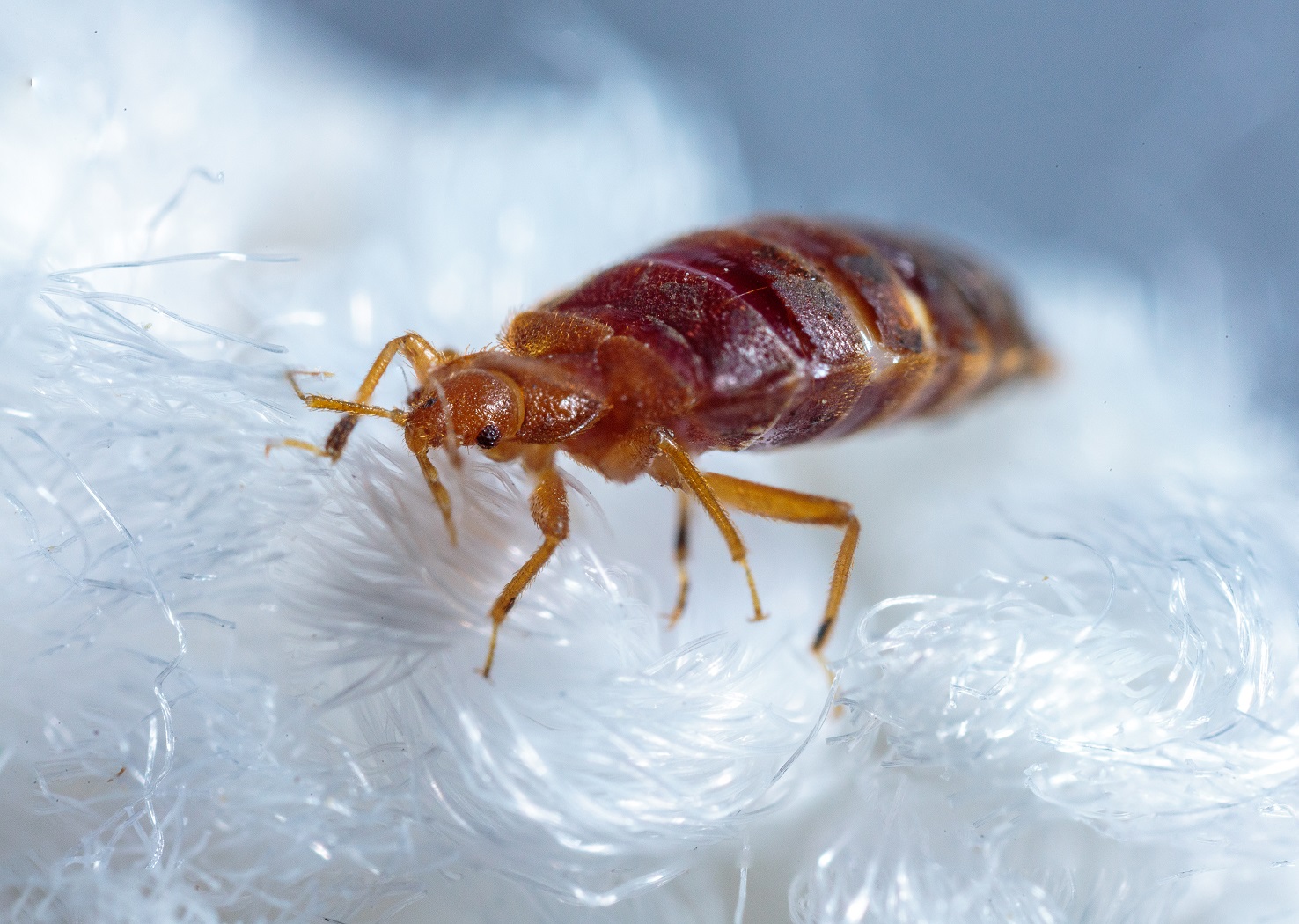
Bed Bugs, Entomology Bed bugs explore different materials in the lab.

The news reports are alarming to say the least. Paris, the city known for its style, cuisine, and amour, has a bed bug problem. Video of the insects crawling over Metro seats, in hotels, and swarming buses and movie theaters swept the internet, and bed bug anxiety reached a new high.

But what’s behind the Parisian invasion? How did bed bugs launch such a widespread infestation of the city? With Paris hosting the first Olympics in the post-COVID-19 era next summer, those questions aren’t just matters for idle conversation.

[time-brightcove not-tgx=”true”]

The reality is that the infestation didn’t happen overnight. It’s likely that Paris, as well as other cities and even less-densely populated areas around the world, harbor a consistent, and persistent bed bug problem. And with the boom in travel since the pandemic, people in Paris are noticing them.

A number of factors keep bed bugs surviving and thriving, say entomologists, many of which are directly related to human behavior. Part of the problem may be the way we manage the pests. Unlike mosquitos and ticks, which government groups address with wide-scale, community-wide spraying and eradication efforts, bed bugs are seen more as an individual, rather than a societal, problem. And not everyone has the time or money to take the proper steps to get rid of them, so the insects continue feeding, breeding, and spreading to find new hosts.

Contrary to anecdotal reports, bed bugs aren’t the result of poor hygiene and aren’t limited to lower income communities. It’s just that less advantaged people don’t have the resources to eradicate them. “I’ve dealt with reports from five star hotels, first class airline seats, and high end apartments,” says Zachary DeVries, assistant professor of entomology at the University of Kentucky. “Anybody can get bed bugs, but only those with resources can get rid of them.”

That’s why, particularly in densely populated cities like Paris, there may be reservoirs of bed bug populations in more disadvantaged communities, which then spread as the insects hitch rides on public transportation, into restaurants, movie theaters, retail stores—essentially anywhere people go.

But there are other reasons why the bugs  are so difficult to eradicate.

Humans and bed bugs—a long, and close, history

Bed bugs are unique in that they depend almost exclusively on humans to survive. They only need blood—while they feed on livestock and chicken blood they preferentially suck on people—to keep them going. If they have a human host, they don’t even need water. And they established this parasitic relationship centuries ago. Cave drawings depict bed bugs, while wood prints captured their flat, tiny bodies and when cameras were developed, the first pictures of them emerged in the 1800s.

Culturally, bed bugs have also shaped human history. Some historians suggest that the annual practice of spring cleaning may have begun as an attempt to flush out bed bugs, which tend to be less active during the colder winter months, before they were reinvigorated in the spring and summer.

“They are reclusive and extremely shy,” says Gail Ridge, an associate scientist at The Connecticut Agricultural Experiment Station, a state and federally funded research facility. “They are dependent on human beings to live, so they live a conflicted life of terror, since we are the prime predator on the planet. So they can only survive by having a series of mechanisms to elude our efforts to kill them.”

One of them may be a remarkable ability to inbreed. For most living things, finding new, and distantly related, mates is key to passing on genes and keeping their kind going. Inbreeding is normally a species-killer, since mating with genetically related members can introduce dangerous, and potentially lethal, mutations. But bed bugs aren’t saddled with such limitations; in fact, a single female carrying eggs can seed a new colony of bugs in a location as the future generations breed among themselves. “We have seen brother-sister matings for 20 to 30 generations and nothing happens,” says DeVries. “The later generations are just as happy and healthy as the first.”

How pesticides solved the bed bug problem—before making it worse

The most aggressive human efforts to eradicate the bugs  involve pesticides such as DDT and organophosphates. They were so effective that from the 1950s to the 2000s, these chemicals largely eliminated bed bugs from the developed world. But bans on them after their toxic effects on human health were discovered gave the bugs a break, along with broader international trade rules that opened the exchange of goods across the world. “Bed bugs became a problem after we went through the ban on organophosphates indoors,” says Jody Gangloff-Kaufmann, an entomologist at the New York State Integrated Pest Management program at Cornell University. The bugs came back in the early 2000s, spread primarily along trade routes from developing nations to industrialized countries, and flourished in a new world with less aggressive chemical attacks. In 2010, cities like New York experienced massive bed bug infestations, with alarming sightings closing retail stores in Soho and South Street Seaport. Even workplaces weren’t immune, as the insects infiltrated Time Warner’s headquarters near Central Park as well.

Worse, the new generations of bugs were highly resistant to any chemicals used to treat them. “The bugs we have today are not the same as their grandparents,” says Dini Miller, professor of entomology and urban pest management specialist at Virginia Tech University. “We have thick-skinned, hard-drinking, mutant bed bugs.”

Exposure to the pesticides has pushed the bugs to develop harder exoskeletons, which prevents the chemicals from penetrating into their bodies for two reasons. One,, “bed bugs walk on hooked claws and lift their bodies off the ground,” says Nina Jenkins, an affiliate professor of entomology at Penn State University. “So the amount of bed bug that contacts a surface when they are walking is a very small proportion of their body—so if they walk over a toxin-treated surface, they don’t absorb enough to kill them.”

And even if the bugs do absorb some of the chemicals, they have developed enzymes that can break apart toxins and neutralize them. “We may knock them down and they look dead, but four hours later, they get up and shake it off because the enzymes in their bodies are breaking down the insecticide and they can recover,” says Miller. “We have basically killed off all the bugs that are susceptible to insecticides, and selected for the resistant ones. We’ve done it to ourselves.”

Not only have people introduced pesticides that have generated new super breeds of resistant bugs, but humans have also removed one of the bed bug’s primary predators: cockroaches. “Cockroaches, like bed bugs, can get into cracks and crevices and they hunt bed bug eggs,” says Ridge. “But now that cockroaches are being knocked out in many cities, bed bugs have no predator.”

Read more: Why Bed Bugs Are Becoming So Much Harder to Kill

They never went away

These resistant bugs are getting hardier and hardier. Cross breeding with different populations makes them even more fertile, says Ridge. She has crossed two different lab populations of bed bugs and found that the fecundity of the females doubled. “I can only assume that’s happening in the wild as well,” she says, especially since bugs from different parts of the world are likely mixing and matching thanks to widespread human travel.

And thanks to the fact that simply spraying with a can of insecticide doesn’t get rid of them, these bugs are finding hospitable habitats in certain populations. “One of the things I’m seeing is a huge increase in the demographic of elderly disabled living with thousands upon thousands [of bed bugs] in their home,” says Miller. “These are individuals with 17 other problems, including physical, mental ,and financial [problems], and bed bugs are just one of them. Those are the sources that we are now seeing.”

Because the bugs aren’t being eliminated from these populations, they may continue to hitch rides to other locations where they find new hosts. “Bed bugs settle in with people who can’t deal with them effectively,” she says. So despite media reports about infestations in hotels, they are rarely the source of widespread problems, since hotels can afford effective, and often expensive, pest control measures. Individual home owners, and owners of apartment buildings, halfway houses, and nursing homes, however, often cannot.

The best ways to get rid of bed bugs

There is no single approach that effectively controls bed bugs. It takes a series of painstaking steps, performed correctly—usually with professional training—to truly get an infestation under control. “There is very little the homeowner can do to get rid of the problem,” says DeVries. Sprays that claim to eliminate bed bugs won’t truly get the job done since the bugs are resistant to most of them, and, if they are effective, they only push the bugs from one place to another. And online advice about using heat or steam by directing hair dryers or steam irons at mattresses is wrong—doing so also just drives the bugs from one place to another. Even some professional pest control services that perform heat or steam methods aren’t all effective, since they may not achieve high enough temperatures—bed bugs only die at around 125°F—or may not run the devices long enough. “I’ve heard of multi-family apartment complexes where they start at the top and work their way down, and by the time they get to the first floor, there are already reports of problems back on the top floor,” says DeVries.

As contrary as it seems, one of the most effective strategies is to not disturb the bugs as much as possible. Bed bugs don’t like to stray far from their blood meal, which means they remain in areas where people sleep and sit—hidden in cracks and crevices in mattresses and sofas. “They won’t be in the bathroom where they have to walk half a mile to feed,” says DeVries. “If you don’t disturb them, you can keep the problem concentrated to a sofa, chair or bed.” After determining where the bed bugs are, vacuuming them is the first step. Miller recommends attaching a long stocking to the outside of the vacuum hose to ensure no bugs can escape, and once the vacuuming is done, tying off the stocking and either soaking it in water to drown the bugs or disposing of them in a sealed container.

If bed bugs are crawling on clothing, putting the clothes in a hot dryer will desiccate them. Sealing the clothes once they come out of the dryer in a tight plastic bag and leaving them undisturbed for a few weeks ensures that no eggs and new generations of bugs remain.

Read more: Bed Bugs Are Most Drawn to This Color

There are also newer insecticides that don’t rely on the harmful chemicals of the past. One increasingly popular one that Miller and her team are testing is Aprehend, a fungus-based treatment that can only be applied by licensed pest control specialists. The treatment is a spore in a liquid form that is sprayed on affected areas; the contact with the fungus gives the bugs a dermal infection that kills them. The reason it’s so effective, says Jenkins, who co-developed the product at Penn State and founded a company to commercialize it, is that it’s designed to remain active for up to three months. Millions of fungal spores are spread in a thin band around the areas where bed bugs travel, and just a few steps on the treated area will bind those spores to their claws. They then bring those spores back to their nests, which may be in hidden areas no human treatment could ever reach, and spread them to other bugs, and ultimately any exposed bug dies of the fungal infection. “To be completely honest, it shocked us how successful this product has been,” says Jenkins.

Sealing infested articles or clothing can also dry them out, but bed bugs can live for months without feeding, so starving them out could take a while and it’s not always practical—nor is it guaranteed to work. Gangloff-Kaufmann had a colleague who put some bugs in a freezer for five years and once thawed, one survived.

Dust-based treatments such as silica dust can also be effective in killing bugs by suffocating them, but requires precise application since breathing in the dust can also be harmful to people, leading to cancer and lung disease.

“No one strategy is going to be effective but if you start stacking them up you could eventually catch everything,” says DeVries. “Vacuuming doesn’t get everything, but steaming could get the bugs that vacuuming misses. And if steaming doesn’t get them, then insecticides like Aprehend could. Then, setting up physical barriers could help too. We don’t know if one is working better than the other, but we know that if you incorporate them all, it could be an effective management plan.”

Even more important, entomologists agree, is recognizing that bed bugs aren’t just an individual’s problem. They should be treated as a societal problem with a societal solution. But that’s been challenging, since bed bugs don’t transmit diseases like mosquitos and ticks do. While they feed on human blood, they don’t pass on whatever they pick up, since they have a unique ability to fracture the DNA of pathogens they ingest so they are no longer capable of causing disease. “If you imagine the DNA of a virus like polio or HIV or influenza as a glass vase, once it is ingested by a bed bug, it shatters,” says Ridge. That makes controlling bed bugs a hard sell for government intervention, since they don’t technically cause public harm other than a general sense of anxiety and discomfort. Yet, says Gangloff-Kaufmann, “I like to call bed bugs a communicable insect.” DeVries agrees, noting that “everybody uses public transportation, everybody uses airlines, and everybody goes to the movies. Everybody ventures into society, and the bugs have constant opportunity to reinfest and reinvade everywhere. We let them persist. Ultimately unless they are dealt with on a broader, community-wide scale, the problem will not go away.”


source https://time.com/6322485/bed-bugs-paris-other-cities/

Julia Fox Perfects the Art of the Overshare With Her New Memoir, Down the Drain

A collage of images of Julia Fox in different outfits on top of a gray metallic background

Julia Fox has made a name for herself by telling it all. It’s something she’s done so cannily that it’s set her apart even in an era defined by oversharing. The model and actor, who first burst into mainstream consciousness as the bombshell breakout star of the 2019 Safdie Brothers film Uncut Gems, has never shied away from telling her unvarnished truth, whether on her podcast Forbidden Fruits or on TikTok, where she may detail for her 1.7 million followers anecdotes from a high-profile romance or offer a down-to-earth tour of her relatively modest New York City apartment.

[time-brightcove not-tgx=”true”]

Now, with her new memoir, Down the Drain, Fox makes a case for herself as one of her generation’s most authentic storytellers, cutting through niche fame and viral moments with a clarion voice and a worldly-wise sensibility honed from the thrills and near-death experiences she’s witnessed during her 33 years of life.

When Fox was introduced to audiences in Uncut Gems, it was in a role inspired by herself (the character’s name was even Julia) and her influence as a NYC “It” girl. She became an undeniable fixture in the zeitgeist when she embarked on a brief, highly publicized, and sartorially daring relationship in 2022 with Ye, the artist formerly known as Kanye West. But these events pale in comparison to the chaotic whirlwind of a life Fox lived before she became a public figure.

Born in Italy, Fox writes that she felt destined for fame from day one, even if it wasn’t what she would have chosen. “I think back to what the nurse said to my mom the day I was born,” she recalls thinking ahead of the Uncut Gems release. “‘With eyes like this and a name like Julia Fox, she’s going to be a movie star!’ It feels like it’s my destiny, but I’m so afraid to be wrong.” Fox’s early life reads like a cautionary tale. It’s a harrowing one that she relays matter-of-factly, without appeals for sympathy. She bounces between being a latchkey kid in New York City with a father she recalls as mostly absent and living with her affectionate grandfather and her mother, who she remembers as emotionally distant, in her home country.

Read more: The Best Books of 2023 So Far

She learns early on how to fend for herself—she shoplifts and filches from her father’s wallet to buy necessities and have some semblance of security. She compartmentalizes in order to endure her parents’ tumultuous relationship and its toxic (and, what she says was, at times, violent) trickle-down into their lackadaisical parenting. She searches for proxies for the love she craves in the deep, complex, and codependent friendships she forges with other girls and their mothers. As she enters adolescence, she finds salvation in a heady mix of sex, drugs, and reckless behavior, a formula that brings her both ample adventure and devastation as she comes of age in downtown New York.

It could be tempting to rubberneck at the memoir’s dizzying array of salacious moments, which Fox recounts with a winsome combination of humor, gusto, and insouciance—how many people can say that they were permanently banned from Bloomingdale’s by the age of 12? That they were a teenage runaway, a dominatrix, and a sugar baby before they were 20? From getting her first kiss from a 26-year-old at the age of 11 to the night in high school when she does ecstasy for the first time, accepts a marriage proposal from her drug dealer, and gets his name tattooed on her wrist, Fox’s recollections are obviously sensational. But what makes them truly compelling is the way she grounds them in the gritty and, at times, ugly realities of her life. Benders and parties, passionate romances and deep friendships, are flanked by messy betrayals, abusive relationships, miscarriages, arrests, and overdoses. And as much as Fox is driven by her vices, she’s also motivated by her survival, her ambition, and her creative instincts—she uses the money she earns as a sex worker and later as a sugar baby to not only fund her life, but that of her best friends, and to start a fashion line and pursue her ambitions as a multimedia artist.

Read more: How Celebrity Memoirs Got So Good

As she revisits each scenario, Fox is strikingly straightforward, taking accountability for her own role in the havoc wreaked or damage done like a true antiheroine. Her writing is vulnerable, funny, and compassionate; of a possessive and abusive ex, she writes: “I realize that he’s also a victim of his upbringing. He can’t help being violent. It’s all we know.” She is earnestly delighted about how her new status as an avant garde fashion icon—a style transformation spurred by her time with Kanye—and the disappearance of her famous curves after she lost weight due to the scrutiny around that relationship, seems to disappoint men and excite women: “They say they love my authenticity and describe me as ‘real,’” she writes. “They tell me I’m ‘a sex symbol for women,’ which is the highest form of compliment one could ever hope to receive.”

Fox uses the memoir’s macabre title—which comes from a warning from her concerned and extremely wealthy former sugar daddy who tells her she’s “throwing your whole life down the drain”—to lay bare the increasing turbulence of her life as she exited her twenties. The phrase sticks with her as her destructive impulses ratchet up to multiple, pivotal turning points: the fatal overdoses of two close friends, the suicide of another, her brief marriage and subsequent divorce, the birth of her son, Valentino, and her decision to swear off opiates.

With this unfiltered authenticity, Fox’s true appeal as both a writer and a persona is apparent—the memoir is a practice in radical transparency. While other high-profile memoir writers might carefully construct their narratives in the service of maintaining a calculated public image, Fox takes an unflinching look back at both the exhilarating and painful moments of her life, one that she has chronicled as only she can. Fox has been incredulous, insulted even, that people have assumed that she used a ghostwriter to write her memoir, and rightly so—this is the tale of a woman who’s made an art form of telling her story to the masses. “I’m not a celebrity and I don’t claim that title,” she writes in the closing chapter of the book. “I’m the artist in the role of a lifetime, playing Me.”


source https://time.com/6320806/julia-fox-memoir-down-the-drain-review/

Another 6.3 Magnitude Earthquake Shakes Part of Western Afghanistan

Afghanistan Earthquake

CHAHAK, Afghanistan — Another strong earthquake shook western Afghanistan on Wednesday morning after an earlier one killed more than 2,000 people and flattened whole villages in Herat province in what was one of the most destructive quakes in the country’s recent history.

The magnitude 6.3 earthquake on Wednesday was about 28 kilometers (17 miles) outside Herat, the provincial capital, and 10 kilometers (6 miles) deep, according to the U.S. Geological Survey. It triggered a landslide that blocked the main Herat-Torghondi highway, Information Ministry spokesman Abdul Wahid Rayan said.

[time-brightcove not-tgx=”true”]

Janan Sayiq, a spokesman for the Afghan Taliban government’s national disaster authority said Wednesday’s earthquake killed at least one person and injured around 120 others.

The aid group Doctors Without Borders said Herat Regional Hospital received 117 who got injured in Wednesday’s temblor. The group, also known by its French acronym MSF, said it sent additional medical supplies to the hospital and was setting up four more medical tents at the facility.

More From TIME

[video id=d6wVyXDb autostart="viewable"]

“Our teams are assisting in triaging emergency cases and managing stabilized patients admitted in the medical tents,” MSF said on X, formerly known as Twitter.

Wednesday’s quake also flattened all 700 homes in Chahak village, which was untouched by the tremors of previous days. Now there are mounds of soil where dwellings used to be. But no deaths have been reported so far in Chahak because people have taken shelter in tents this week, fearing for their lives as tremors continue to rock Herat.

Villagers are distraught over the loss of their homes and livestock, often their only possessions, and worry about the coming harsh winter months. Some said they had never seen an earthquake before and wondered when the shaking of the ground would stop.

Many said they have no peace of mind inside the tents for fear the “ground will open and swallow us at any moment.”

The epicenter of Saturday’s quake — also of the same magnitude 6.3 — was about 40 kilometers (25 miles) northwest of the provincial capital, and several aftershocks have been strong.

Taliban officials said more than 2,000 had died across Herat after the earlier quakes. They subsequently said the quakes killed and injured thousands but didn’t give a breakdown of casualties.

Besides rubble and funerals after Saturday’s devastation, there is little left of the villages in the region’s dusty hills. Survivors are struggling to come to terms with the loss of multiple family members and in many places, living residents are outnumbered by volunteers who had come to search the debris and dig mass graves.

In Naib Rafi, a village that previously had about 2,500 residents, people said almost no one was still alive besides men who were working outside when the quake struck. Survivors worked all day with excavators to dig long trenches for mass burials.

On a barren field in the district of Zinda Jan, a bulldozer removed mounds of earth to clear space for a long row of graves.

“It is very difficult to find a family member from a destroyed house and a few minutes to later bury him or her in a nearby grave, again under the ground,” said Mir Agha, from the city of Herat, who had joined hundreds of volunteers to help the locals.

Nearly 2,000 houses in 20 villages were destroyed, the Taliban have said. The area hit by the quakes has just one government-run hospital.

On Tuesday, U.N. deputy spokesman Farhan Haq said Zinda Jan was the worst-affected area, with more than 1,300 people killed and nearly 500 people still reported missing.

He said U.N. satellite imagery also indicated extreme levels of destruction in the district of Injil.

“Our humanitarian colleagues warn that children are particularly vulnerable and have suffered severe psychological distress from the earthquake,” he said.

Earthquakes are common in Afghanistan, where there are a number of fault lines and frequent movement among three nearby tectonic plates. Afghans are still reeling from recent quakes, including the magnitude 6.5 earthquake in March that struck much of western Pakistan and eastern Afghanistan, and an earthquake that hit eastern Afghanistan in June 2022, flattening stone and mud-brick homes and killing at least 1,000 people.

Zabihullah Mujahid, the main spokesman for the Taliban government, listed the countries that have so far aided the people affected by the quake in Herat, in a statement posted on X.

He said Iran sent 15 vehicles loaded with aid alongside support and technical teams, while Turkey sent medical teams food, non-food items and medicine. The United Arab Emirates and Turkmenistan also helped with food, medicine, and clothes.

He added a technical team of 49 members from Kazakhstan is assisting those affected by the quake.

In his post, Mujahid said Saudi Arabia provided financial assistance to the people of Herat while China donated $200,000 in cash aid through the Afghan Foreign Affairs ministry.

Neighboring Pakistan is among the countries that have offered assistance but the delivery of its humanitarian aid has been on hold since Monday.

On Wednesday morning, the pledged supplies had yet to leave Pakistan. Authorities were waiting for “clearance” from the Taliban, two government officials in Islamabad said, speaking on condition of anonymity because they were not authorized to speak to the media.

Ties between the two countries have come under pressure since Pakistan announced a deadline for undocumented migrants, including 1.7 million Afghans living illegally in the country, to leave before Oct. 31 to avoid arrests and forced deportation.


source https://time.com/6322605/another-earthquake-western-afghanistan/

The Supreme Court Weighs Whether South Carolina Targeted Black Voters in Redistricting

Nancy Mace

WASHINGTON — The Supreme Court is taking up a new congressional redistricting case, this time from South Carolina, that could shape the fight for partisan control of the House of Representatives.

Arguments taking place at the high court on Wednesday will focus on a coastal district that is held by Republican Rep. Nancy Mace. In January, a lower court ordered the district redrawn after finding that Republicans who control the state Legislature improperly moved Democratic-leaning Black voters into another district to make the seat safer for Mace in 2022.

[time-brightcove not-tgx=”true”]

When Mace first won election in 2020, she edged Democratic incumbent Rep. Joe Cunningham by 1%, under 5,400 votes. In 2022, following redistricting driven by the 2020 census results, Mace won reelection by 14%. She is one of eight right-flank Republicans who voted to oust Kevin McCarthy as speaker.

Democrats could have a shot at picking up the seat in 2024 if the district is redrawn.

With Republicans holding a thin margin in the U.S. House, any change to competitive districts has a chance to alter the balance of power after the 2024 elections.

Democrats seem likely to gain a seat in Alabama following a Supreme Court decision in June that led to a court-ordered redistricting. The state’s new map will give Alabama two congressional districts where Black voters comprise a substantial portion of the electorate. A similar pending Louisiana case could lead to a second mostly Black district there, too.

In South Carolina, Black voters wouldn’t be as numerous in a redrawn district. But combined with a substantial set of Democratic-leaning white voters, Democrats could be competitive in the reconfigured district.

Lawyers for the state argue that partisan politics, not race, and a population boom in coastal areas explain the congressional map.

Civil rights groups challenged the map in federal court and won a ruling from a unanimous three-judge panel in January.

“Black votes were used as political puzzle pieces to insulate the Republicans’ hold on power,” said Mitchell Brown, senior counsel for the Southern Coalition for Social Justice.

The lower court put its order on hold to allow the state to appeal to the Supreme Court.

Republican Senate Majority Leader Shane Massey said in January that “we don’t need to draw anything until five members of the Supreme Court say we have to.”

Both sides want a decision by Jan. 1 so that the state can use a congressional map in the 2024 elections that complies with the Supreme Court’s ruling.


source https://time.com/6322595/supreme-court-weighs-whether-south-carolina-targeted-black-voters/

من هشت سال گروگان ایران بودم. آیا دوستانم از بمباران اسرائیل جان سالم به در بردند؟

Read this story in English here نمازی گروگان سابق آمریکایی در ایران است و اکنون عضو هیئت مشاوران ابتکار آزادی برای زندانیان سیاسی در...