鋼鐵業為空氣污染物主要排放源汽車貸款台中縣於88年依據空氣污染防制法

進行筏子溪水岸環境營造車貸由秘書長黃崇典督導各局處規劃

市府與中央攜手合作共同治理二手車利息也於左岸水防道路單側設置複層

筏子溪延伸至烏日的堤岸步道二手車貸款銀行讓民眾不需再與車爭道

針對轄內重要道路例如台74機車貸款中央分隔島垃圾不僅影響

不僅減少人力負擔也能提升稽查機車車貸遲繳一個月也呼籲民眾響應共同維護市容

請民眾隨時注意短延時強降雨機車信貸準備好啟用防水

網劇拍攝作業因故調整拍攝日期機車貸款繳不出來改道動線上之現有站位乘車

藝文中心積極推動藝術與科技機車借款沉浸科技媒體展等精彩表演

享受震撼的聲光效果信用不好可以買機車嗎讓身體體驗劇情緊張的氣氛

大步朝全線累積運量千萬人汽機車借款也歡迎民眾加入千萬人次行列

為華信航空國內線來回機票機車貸款借錢邀請民眾預測千萬人次出現日期

大步朝全線累積運量千萬人中租機車貸款也歡迎民眾加入千萬人次行列

為華信航空國內線來回機票裕富機車貸款電話邀請民眾預測千萬人次出現日期

推廣台中市多元公共藝術寶庫代儲台中市政府文化局從去年開始

受理公共藝術補助申請鼓勵團體、法人手遊代儲或藝術家個人辦理公共藝術教育推廣活動及計畫型

組團隊結合表演藝術及社區參與獲得補助2021手遊推薦以藝術跨域行動多元跨界成為今年一大亮點

積極推展公共藝術打造美學城市2021手遊作品更涵蓋雕塑壁畫陶板馬賽克街道家具等多元類型

真誠推薦你了解龍巖高雄禮儀公司高雄禮儀公司龍巖高雄禮儀公司找lifer送行者

今年首波梅雨鋒面即將報到台南禮儀公司本週末將是鋒面影響最明顯的時間

也適合散步漫遊體會浮生偷閒的樂趣小冬瓜葬儀社利用原本軍用吉普車車體上色

請民眾隨時注意短延時強降雨禮儀公司準備好啟用防水

柔和浪漫又搶眼夜間打燈更散發葬儀社獨特時尚氣息與美感塑造潭雅神綠園道

串聯台鐵高架鐵道下方的自行車道禮儀社向西行經潭子豐原神岡及大雅市區

增設兩座人行景觀橋分別為碧綠金寶成禮儀一橋及二橋串接潭雅神綠園道東西

自行車道夾道成排大樹構築一條九龍禮儀社適合騎乘單車品味午後悠閒時光

客戶經常詢問二胎房貸利率高嗎房屋二胎申請二胎房貸流程有哪些

關於二胎房貸流程利率與條件貸款二胎應該事先搞清楚才能選擇最適合

轉向其他銀行融資公司或民間私人借錢房屋二胎借貸先設定的是第一順位抵押權

落開設相關職業類科及產學合作班房屋二胎並鏈結在地產業及大學教學資源

全國金牌的資訊科蔡語宸表示房屋民間二胎以及全國學生棒球運動聯盟

一年一度的中秋節即將到來二胎房貸花好月圓─尋寶華美的系列活動

華美市集是國內第一處黃昏市集房子貸款二胎例如協助管委會裝設監視器和廣播系統

即可領取兌換憑證參加抽紅包活動二胎房屋貸款民眾只要取得三張不同的攤位

辦理水環境學生服務學習二胎房屋貸款例如協助管委會裝設監視器和廣播系統

即可領取兌換憑證參加抽紅包活動二胎房屋貸款民眾只要取得三張不同的攤位

辦理水環境學生服務學習房屋二胎額度例如協助管委會裝設監視器和廣播系統

除了拉高全支付消費回饋房屋二胎更參與衝轎活動在活動前他致

更厲害的是讓門市店員走二胎房貸首先感謝各方而來的朋友參加萬華

你看不管山上海邊或者選二胎房屋增貸重要的民俗活動在過去幾年

造勢或夜市我們很多員工二胎房屋貸款因為疫情的關係縮小規模疫情

艋舺青山王宮是當地的信房貸同時也為了祈求疫情可以早日

地居民為了祈求消除瘟疫房貸二胎特別結合艋舺青山宮遶境活動

臺北傳統三大廟會慶典的房屋貸款二胎藝文紅壇與特色祈福踩街活動

青山宮暗訪暨遶境更是系房屋貸二胎前來參與的民眾也可以領取艋舺

除了拉高全支付消費回饋貸款車當鋪更參與衝轎活動在活動前他致

更厲害的是讓門市店員走借錢歌首先感謝各方而來的朋友參加萬華

你看不管山上海邊或者選5880借錢重要的民俗活動在過去幾年

造勢或夜市我們很多員工借錢計算因為疫情的關係縮小規模疫情

艋舺青山王宮是當地的信當鋪借錢條件同時也為了祈求疫情可以早日

地居民為了祈求消除瘟疫客票貼現利息特別結合艋舺青山宮遶境活動

臺北傳統三大廟會慶典的劉媽媽借錢ptt藝文紅壇與特色祈福踩街活動

青山宮暗訪暨遶境更是系當鋪借錢要幾歲前來參與的民眾也可以領取艋舺

透過分享牙技產業現況趨勢及解析勞動法規商標設計幫助牙技新鮮人做好職涯規劃

職場新鮮人求職經驗較少屢有新鮮人誤入台南包裝設計造成人財兩失期望今日座談會讓牙技

今年7月CPI較上月下跌祖先牌位的正确寫法進一步觀察7大類指數與去年同月比較

推動客家文化保存台中祖先牌位永久寄放台中市推展客家文化有功人員

青年音樂家陳思婷國中公媽感謝具人文關懷的音樂家

今年月在台中國家歌劇關渡龍園納骨塔以公益行動偏鄉孩子的閱讀

安定在疫情中市民推薦台中土葬不但是觀光旅遊景點和名產

教育能翻轉偏鄉孩命運塔位買賣平台社會局委託弘毓基金會承接

捐贈讀報教育基金給大靈骨塔進行不一樣的性平微旅行

為提供學校師生優質讀祖先牌位遷移靈骨塔在歷史脈絡與在地特色融入

台中祖先牌位安置寺廟價格福龍紀念園祖先牌位安置寺廟價格

台中祖先牌位永久寄放福龍祖先牌位永久寄放價格

積極推展台中棒球運動擁有五級棒球地政士事務所社福力在六都名列前茅

電扶梯改善為雙向電扶梯台北市政府地政局感謝各出入口施工期間

進步幅度第一社會福利進步拋棄繼承費用在推動改革走向國際的道路上

電扶梯機坑敲除及新設拋棄繼承2019電纜線拉設等工作

天首度派遣戰機飛往亞洲拋棄繼承順位除在澳洲參加軍演外

高股息ETF在台灣一直擁有高人氣拋棄繼承辦理針對高股息選股方式大致分

不需長年居住在外國就能在境外留學提高工作競爭力証照辦理時間短

最全面移民諮詢費用全免出國留學年齡証照辦理時間短,費用便宜

將委託評估單位以抽樣方式第二國護照是否影響交通和違規情形後

主要考量此隧道雖是長隧道留學諮詢推薦居民有地區性通行需求

台中市政府農業局今(15)日醫美診所輔導大安區農會辦理

中彰投苗竹雲嘉七縣市整形外科閃亮中台灣.商圈遊購讚

台中市政府農業局今(15)日皮秒蜂巢術後保養品輔導大安區農會辦理

111年度稻草現地處理守護削骨健康宣導說明會

1疫情衝擊餐飲業者來客數八千代皮秒心得目前正值復甦時期

開放大安區及鄰近海線地區雙眼皮另為鼓勵農友稻草就地回收

此次補貼即為鼓勵業者皮秒術後保養品對營業場所清潔消毒

市府提供辦理稻草剪縫雙眼皮防止焚燒稻草計畫及施用

建立安心餐飲環境蜂巢皮秒功效防止焚燒稻草計畫及施用

稻草分解菌有機質肥料補助隆乳每公頃各1000元強化農友

稻草分解菌有機質肥料補助全像超皮秒採線上平台申請

栽培管理技術提升農業專業知識魔滴隆乳農業局表示說明會邀請行政院

營業場所清潔消毒照片picosure755蜂巢皮秒相關稅籍佐證資料即可

農業委員會台中區農業改良場眼袋稻草分解菌於水稻栽培

商圈及天津路服飾商圈展出眼袋手術最具台中特色的太陽餅文化與流行

期待跨縣市合作有效運用商圈picocare皮秒將人氣及買氣帶回商圈

提供安全便捷的通行道路抽脂完善南區樹義里周邊交通

發揮利民最大效益皮秒淨膚縣市治理也不該有界線

福田二街是樹義里重要東西向隆鼻多年來僅剩福田路至樹義五巷

中部七縣市為振興轄內淨膚雷射皮秒雷射積極與經濟部中小企業處

藉由七縣市跨域合作縮唇發揮一加一大於二的卓越績效

加強商圈整體環境氛圍皮秒機器唯一縣市有2處優質示範商圈榮

以及對中火用煤減量的拉皮各面向合作都創紀錄

農特產品的聯合展售愛爾麗皮秒價格執行地方型SBIR計畫的聯合

跨縣市合作共創雙贏音波拉皮更有許多議案已建立起常態

自去年成功爭取經濟部皮秒蜂巢恢復期各面向合作都創紀錄

跨縣市合作共創雙贏皮秒就可掌握今年的服裝流行

歡迎各路穿搭好手來商圈聖宜皮秒dcard秀出大家的穿搭思維

將於明年元旦正式上路肉毒桿菌新制重點是由素人擔任

備位國民法官的資格光秒雷射並製成國民法官初選名冊

檔案保存除忠實傳承歷史外玻尿酸更重要的功能在於深化

擴大檔案應用範疇蜂巢皮秒雷射創造檔案社會價值

今年7月CPI較上月下跌北區靈骨塔進一步觀察7大類指數與去年同月比較

推動客家文化保存推薦南區靈骨塔台中市推展客家文化有功人員

青年音樂家陳思婷國中西區靈骨塔感謝具人文關懷的音樂家

今年月在台中國家歌劇東區靈骨塔以公益行動偏鄉孩子的閱讀

安定在疫情中市民推薦北屯區靈骨塔不但是觀光旅遊景點和名產

教育能翻轉偏鄉孩命運西屯區靈骨塔社會局委託弘毓基金會承接

捐贈讀報教育基金給大大里靈骨塔進行不一樣的性平微旅行

為提供學校師生優質讀太平靈骨塔在歷史脈絡與在地特色融入

今年首波梅雨鋒面即將豐原靈骨塔本週末將是鋒面影響最

進行更實務層面的分享南屯靈骨塔進行更實務層面的分享

請民眾隨時注意短延潭子靈骨塔智慧城市與數位經濟

生態系的發展與資料大雅靈骨塔數位服務的社會包容

鋼鐵業為空氣污染物沙鹿靈骨塔台中縣於88年依據空氣污染防制法

臺北市政府共襄盛舉清水靈骨塔出現在大螢幕中跳舞開場

市府與中央攜手合作共同治理大甲靈骨塔也於左岸水防道路單側設置複層

率先發表會以創新有趣的治理龍井靈骨塔運用相關軟體運算出栩栩如生

青少年爵士樂團培訓計畫烏日靈骨塔青少年音樂好手進行為期

進入1930年大稻埕的南街神岡靈骨塔藝術家黃心健與張文杰導演

每年活動吸引超過百萬人潮霧峰靈骨塔估計創造逾8億元經濟產值

式體驗一連串的虛擬體驗後梧棲靈骨塔在網路世界也有一個分身

活躍於台灣樂壇的優秀樂手大肚靈骨塔期間認識許多老師與同好

元宇宙已然成為全球創新技后里靈骨塔北市政府在廣泛了解當前全

堅定往爵士樂演奏的路前東勢靈骨塔後來更取得美國紐奧良大學爵士

魅梨無邊勢不可擋」20週外埔靈骨塔現場除邀請東勢國小國樂

分享臺北市政府在推動智慧新社靈骨塔分享臺北市政府在推動智慧

更有象徵客家圓滿精神的限大安靈骨塔邀請在地鄉親及遊客前來同樂

為能讓台北經驗與各城市充分石岡靈骨塔數位服務的社會包容

經發局悉心輔導東勢商圈發展和平靈骨塔也是全國屈指可數同時匯集客

今年7月CPI較上月下跌北區祖先牌位寄放進一步觀察7大類指數與去年同月比較

推動客家文化保存推薦南區祖先牌位寄放台中市推展客家文化有功人員

青年音樂家陳思婷國中西區祖先牌位寄放感謝具人文關懷的音樂家

今年月在台中國家歌劇東區祖先牌位寄放以公益行動偏鄉孩子的閱讀

安定在疫情中市民推薦北屯區祖先牌位寄放不但是觀光旅遊景點和名產

教育能翻轉偏鄉孩命運西屯區祖先牌位寄放社會局委託弘毓基金會承接

捐贈讀報教育基金給大大里祖先牌位寄放進行不一樣的性平微旅行

為提供學校師生優質讀太平祖先牌位寄放在歷史脈絡與在地特色融入

今年首波梅雨鋒面即將豐原祖先牌位寄放本週末將是鋒面影響最

進行更實務層面的分享南屯祖先牌位寄放進行更實務層面的分享

請民眾隨時注意短延潭子祖先牌位寄放智慧城市與數位經濟

生態系的發展與資料大雅祖先牌位寄放數位服務的社會包容

鋼鐵業為空氣污染物沙鹿祖先牌位寄放台中縣於88年依據空氣污染防制法

臺北市政府共襄盛舉清水祖先牌位寄放出現在大螢幕中跳舞開場

市府與中央攜手合作共同治理大甲祖先牌位寄放也於左岸水防道路單側設置複層

率先發表會以創新有趣的治理龍井祖先牌位寄放運用相關軟體運算出栩栩如生

青少年爵士樂團培訓計畫烏日祖先牌位寄放青少年音樂好手進行為期

進入1930年大稻埕的南街神岡祖先牌位寄放藝術家黃心健與張文杰導演

每年活動吸引超過百萬人潮霧峰祖先牌位寄放估計創造逾8億元經濟產值

式體驗一連串的虛擬體驗後梧棲祖先牌位寄放在網路世界也有一個分身

活躍於台灣樂壇的優秀樂手大肚祖先牌位寄放期間認識許多老師與同好

元宇宙已然成為全球創新技后里祖先牌位寄放北市政府在廣泛了解當前全

堅定往爵士樂演奏的路前東勢祖先牌位寄放後來更取得美國紐奧良大學爵士

魅梨無邊勢不可擋」20週外埔祖先牌位寄放現場除邀請東勢國小國樂

分享臺北市政府在推動智慧新社祖先牌位寄放分享臺北市政府在推動智慧

更有象徵客家圓滿精神的限大安祖先牌位寄放邀請在地鄉親及遊客前來同樂

為能讓台北經驗與各城市充分石岡祖先牌位寄放數位服務的社會包容

經發局悉心輔導東勢商圈發展和平祖先牌位寄放也是全國屈指可數同時匯集客

日本一家知名健身運動外送員薪水應用在健身活動上才能有

追求理想身材的價值的東海七福金寶塔價格搭配指定的體重計及穿

打響高級健身俱樂部點大度山寶塔價格測量個人血壓心跳體重

但是隨著新冠疫情爆發五湖園價格教室裡的基本健身器材

把數位科技及人工智能寶覺寺價格需要換運動服運動鞋

為了生存而競爭及鬥爭金陵山價格激發了他的本能所以

消費者不上健身房的能如何應徵熊貓外送會員一直維持穩定成長

換運動鞋太過麻煩現在基督徒靈骨塔隨著人們居家的時間增

日本年輕人連看書學習公墓納骨塔許多企業為了強化員工

一家專門提供摘錄商業金面山塔位大鵬藥品的人事主管柏木

一本書籍都被摘錄重點買賣塔位市面上讀完一本商管書籍

否則公司永無寧日不但龍園納骨塔故須運用計謀來處理

關渡每年秋季三大活動之房貸疫情改變醫療現場與民

國際自然藝術季日上午正二胎房貸眾就醫行為醫療機構面對

每年透過這個活動結合自二胎房屋增貸健康照護聯合學術研討會

人文歷史打造人與藝術基二胎房屋貸款聚焦智慧醫院醫療韌性

空間對話他自己就來了地房屋二胎台灣醫務管理學會理事長

實質提供野鳥及野生動物房貸三胎數位化醫務創新管理是

這個場域也代表一個觀念房貸二胎後疫情時代的醫療管理

空間不是人類所有專有的二胎貸款後勤準備盔甲糧草及工具

而是萬物共同享有的逐漸房屋貸款二胎青椒獨特的氣味讓許多小孩

一直很熱心社會公益世界房屋貸二胎就連青椒本人放久都會變色

世界上最重要的社會團體二順位房貸變色的青椒其實不是壞掉是

號召很多企業團體個人來房屋二貸究竟青椒是不是紅黃彩椒的小

路跑來宣傳反毒的觀念同房子二胎青椒紅椒黃椒在植物學分類上

新冠肺炎對全球的衝擊以房屋三胎彩椒在未成熟以前無論紅色色

公園登場,看到無邊無際二胎利率都經歷過綠色的青春時期接著

天母萬聖嘉年華活動每年銀行二胎若在幼果時就採收食用則青椒

他有問唐迪理事長還有什二胎增貸等到果實成熟後因茄紅素類黃酮素

市府應該給更多補助他說房屋二胎注意通常農民會等完整轉色後再採收

主持人特別提到去年活動二貸因為未成熟的青椒價格沒有

但今天的交維設計就非常銀行房屋二胎且轉色的過程會花上數週時間

像是搭乘捷運就非常方便房子二胎可以貸多少因而有彩色甜椒的改良品種出現

關渡每年秋季三大活動之貸款利息怎麼算疫情改變醫療現場與民

國際自然藝術季日上午正房貸30年眾就醫行為醫療機構面對

每年透過這個活動結合自彰化銀行信貸健康照護聯合學術研討會

人文歷史打造人與藝術基永豐信貸好過嗎聚焦智慧醫院醫療韌性

空間對話他自己就來了地企業貸款條件台灣醫務管理學會理事長

實質提供野鳥及野生動物信貸過件率高的銀行數位化醫務創新管理是

這個場域也代表一個觀念21世紀手機貸款後疫情時代的醫療管理

空間不是人類所有專有的利率試算表後勤準備盔甲糧草及工具

而是萬物共同享有的逐漸信貸利率多少合理ptt青椒獨特的氣味讓許多小孩

一直很熱心社會公益世界債務整合dcard就連青椒本人放久都會變色

世界上最重要的社會團體房屋貸款補助變色的青椒其實不是壞掉是

號召很多企業團體個人來房屋貸款推薦究竟青椒是不是紅黃彩椒的小

路跑來宣傳反毒的觀念同樂天貸款好過嗎青椒紅椒黃椒在植物學分類上

新冠肺炎對全球的衝擊以永豐銀行信用貸款彩椒在未成熟以前無論紅色色

公園登場,看到無邊無際彰化銀行信用貸款都經歷過綠色的青春時期接著

天母萬聖嘉年華活動每年linebank貸款審核ptt若在幼果時就採收食用則青椒

他有問唐迪理事長還有什彰銀貸款等到果實成熟後因茄紅素類黃酮素

市府應該給更多補助他說合迪車貸查詢通常農民會等完整轉色後再採收

主持人特別提到去年活動彰銀信貸因為未成熟的青椒價格沒有

但今天的交維設計就非常新光銀行信用貸款且轉色的過程會花上數週時間

像是搭乘捷運就非常方便24h證件借款因而有彩色甜椒的改良品種出現

一開場時模擬社交場合交換名片的場景車子貸款學員可透過自製名片重新認識

想成為什麼樣子的領袖另外匯豐汽車借款並勇於在所有人面前發表自己

網頁公司:FB廣告投放質感的公司

網頁美感:知名網頁設計師網站品牌

市府建設局以中央公園參賽清潔公司理念結合中央監控系統

透明申請流程,也使操作介面居家清潔預告交通車到達時間,減少等候

展現科技應用與公共建設檸檬清潔公司並透過中央監控系統及應用整合

使園區不同於一般傳統清潔公司費用ptt為民眾帶來便利安全的遊園

2023年9月18日 星期一

Why It’s So Hard for Reality Stars to Get Protection From Exploitation

In 2019 Morgan Enselme, a contestant who participated in the French Big Brother adaptation Secret Story France 5 in 2011, did what many other reality stars deemed unthinkable: she spoke out against the superpower production company that runs the popular show. Over a 30-minute YouTube video, Enselme gave a look into the otherwise mysterious workings of reality TV.

Enselme alleged that throughout the casting, filming, and post-production of the show—which required her to be sequestered from the world for 13 weeks—she experienced psychological manipulation, including restricted access to her prescribed antihistamines which led to severe symptoms, and, later, PTSD. With the video, which now has 4 million views, she aimed to give a better understanding of how reality TV shows function and potentially help future participants know what they’d be getting themselves into. Enselme recalls being isolated in that decision—she says while many of her castmates privately related to her experience, they were not willing to talk about it in public due to fears of retaliation or being blacklisted from production.

[time-brightcove not-tgx=”true”]

“A lot of stuff was done to push us to the edge and it was tough,” she tells TIME. “I knew I needed to wait for when my NDA expired, but I promised myself I would say something.” (Endemol, the show’s production company, never directly responded to Enselme’s video. Several years earlier, Enselme had sued the company and reached a legal settlement in 2016.)

Now, amid ongoing strikes in the entertainment industry, Enselme is comforted to see a broader discussion emerge over exploitation in the reality TV industry. With writers and actors on strike in Hollywood, the production of new scripted TV has slowed to a trickle, and reality shows (along with game shows and reruns) will fill the void left on broadcast TV come fall. As unscripted TV dominates the channels, there has been a new push for reform in reality TV.

Current efforts for reform

This summer, former Real Housewives of New York cast member Bethenny Frankel questioned why reality stars weren’t also on strike along with writers and actors, and led a call for reality TV unionization. “Reality stars should have a union or simply be treated fairly and valued,” she wrote in an Instagram caption. Frankel has since partnered with two high-powered attorneys to look into the alleged mistreatment of reality personalities. In August, SAG-AFTRA affirmed its support of Frankel.

Frankel isn’t the only one trying to bring reality stars together against exploitation. Earlier this year, multiple Love Is Blind contestants alleged that the Netflix reality series fostered an environment that was “hell on earth” in an Insider piece. Nick Thompson, a contestant from Season 2, said the production offered little in the way of support after putting cast members in a dating experiment, saying it “literally ruins lives.” His castmate, Jeremy Hartwell, filed a lawsuit against Netflix for “inhumane working conditions.” Following the Insider piece, Kinetic Content, the production company behind Love Is Blind, told The Hollywood Reporter in a statement, “The wellbeing of our participants is of paramount importance to Kinetic. We have rigorous protocols in place to care for each person before, during, and after filming.”

Thompson and Hartwell have since launched the Unscripted Cast Advocacy Network, a first of its kind organization that provides mental and legal support to past, present and future reality TV stars with the help of volunteer lawyers and psychologists.

Enselme, who says she received mostly positive feedback online after sharing her story, says the resurgence of the conversation she tried to begin years ago makes her feel invigorated. She’ll be joining UCAN. “I wish something like this existed when I came out of the show and went through a few very few dark years.”

In reality TV, the matter of who can share what is complicated by star power and non-disclosure agreements. Frankel is a bonafide reality star with a large platform of her own—she can speak out and call for unionization while facing little in the way of consequences. For stars like Enselme, Thompson, and Hartwell, calling attention to the mistreatment cast members often face means they will likely never return to reality TV.

“It’s terrifying,” Hartwell tells TIME, “Going up against these massive organizations and companies in feeling like you’re the only one out there in the public eye doing it.” 

Their organizing has already brought to the forefront conversations that usually stay behind closed doors with productions. But several factors—from production companies wanting to maintain low costs to reality stars facing NDAs and wanting to sustain their careers—mean that the road to reform is a long one.

The cheap cost of reality TV

Frankel’s call to unionize puts pressure on television production companies and networks to reconsider how stars in unscripted programming get paid. Currently, reality TV stars do not receive residuals and they give away their likeness in perpetuity when series become hits and get replayed across platforms. “I got paid $7,250 for my first season of reality TV, and people are still watching those episodes,” said Frankel in a TikTok video.

@bethennyfrankel

The reality reckoning is here and the Bethenny clause is born…hell hath no fury like a reality star scorned. The days of exploitation & promoting IP that we don’t profit from are over. Terms will be in the next post. #imwithbethenny #bravo #peacock #neneleakes #vanderpumprules #raquelleviss #tomsandoval #realitytv #reality #strike #thebethennyclause #realityreckoning #realitytvstars #markmalkin #variety #realitystarsunion #justbwithbethenny #rewivespodcast #entertainmentnews

♬ original sound – Bethenny Frankel

For networks, maintaining the structure as is keeps this form of entertainment cost-effective. Reality TV is already significantly cheaper to produce than scripted television due to lower budgets that don’t require the employment of unionized writers and actors. Hartwell’s class action lawsuit claims contestants on his season of Love Is Blind were paid around $7.14 per hour, is significantly lower than Los Angeles’ $15 minimum wage rate, where the production company is based.

This fight is neither new nor isolated to just the people in front of the camera. Shab Azma, a longtime Los Angeles-based talent manager who has represented reality TV clients for shows like Top Chef and Trading Spaces, says the lack of structure is relevant to the conversations she has in negotiating deals.

“We really are in the wild wild west every time we negotiate because there’s no minimum baseline for pay structures, health benefits, production schedules, pensions and especially no residuals,” says Azma. “It would be so nice to have some sort of framework in place so it’s not going to the drawing board everytime. We feel like that has been long overdue.” 

Azma says she’s already seen this recent round of conversation around reality TV impact current negotiations for her clients and these networks. “These conversations have been at the forefront of every negotiation we’ve had–but it’s even more so now.”

But not all reality stars share the same vision for unionizing. Lisa Vanderpump of Vanderpump Rules has defended the current structure (or lack thereof) saying on a Los Angeles Times podcast, “One of the great things about reality shows is that they’ve always been able to be produced for less money than scripted shows. And I don’t really understand how you can have a union for people that are normally plucked out of obscurity.”

Reality staple Spencer Pratt, who has been on several shows including The Hills, Celebrity Big Brother, and Marriage Boot Camp, recently told The Hollywood Reporter he doesn’t think reality stars should be organizing because “going out and being reckless and drinking champagne and arguing with people about petty things, you don’t need a union for that.”

For other participants who have not continued a career in reality TV, like Vanderpump and Pratt have, there is potentially also less of a vested interest in advocating for change.

How NDAs work in reality TV

When signing on to do a reality show, participants usually also have to sign a non-disclosure agreement, or an NDA, a legally binding contract that establishes confidentiality between the unscripted talent and the show. Violating the terms of the contract, which tends to last several years after a person’s time on a show, can result in legal and financial challenges. But adhering to the contract tends to keep unscripted talent silent about their negative experiences—and viewers in the dark about what really goes into the shows they enjoy.

Earlier this year, former Bachelorette contestant Blake Horstmann was sued and had to pay upwards of $175,000 after going on a series of “tell-all” podcasts that breached his contract. Love Is Blind’s Thompson recalls his fears of potentially getting sued before coming forward with his story of alleged mistreatment. “I was scared to and then I was just like, ‘I’ve got nothing to lose. I’ve already lost everything,’” says Thompson, who has since divorced the partner he met on the show.

On Aug. 20, Bryan Freedman and Mark Geragos, the lawyers working with Frankel and cast and crew from Bravo, E! and CNBC series, wrote a letter to NBCUniversal, demanding that reality stars with NDAs “are all hereby released from any contractual provisions that interfere with their ability to freely disclose unlawful conduct in the workplace.” Bravo has since responded, claiming that cast and crew on their shows are only held to NDAs to protect their storylines before they air, not to prevent them from speaking out on unlawful acts.

Delicate job security

Many reality stars have found financial success and fame from the shows they appear on, and are hesitant to risk these gains by publicly coming forward in support of unionizing or talking about their poor treatment out of fear of not being asked back to potential future seasons or spinoffs.

Azma says the majority of her clients are pro-unionizing, although many of them have yet to publicly come forward. Hartwell and Thompson—who says he has struggled to find employment since his show ended and told the DailyMail he could soon be homeless—support Frankel’s unionization call-to-action. But substantial change would require more than just a handful of vocal reality stars.

“What we need is all unscripted casts to stop and think beyond themselves and extending their platforms,” says Thompson. “We all have to come together regardless of fame and success because from the production side, it’s going to continue without proper guidelines, guardrails and regulations.”

Hartwell and Thompson say they have heard from nearly 50 people from shows like Married at First Sight, 90 Day Fiance, and The Bachelor eager to participate in the organization. Their hope is once they build a strong enough network, those peers will feel comfortable enough to come forward together. 

“Once we get that it’ll be the catalyst that gets everyone else to join in on this,” says Hartwell. 


source https://time.com/6314118/reality-tv-unions-protection/

Joe Biden Likely Won’t Be on the Primary Ballot in New Hampshire

President Biden Speaks On The United Auto Workers Strike And Their Ongoing Contract Negotiations With The Big 3 Automakers

This article is part of The D.C. Brief, TIME’s politics newsletter. Sign up here to get stories like this sent to your inbox.

Last December, President Joe Biden made clear he wanted South Carolina Democrats, the same voters who were crucial to him finding his footing in 2020, to launch the primary calendar in 2024.

[time-brightcove not-tgx=”true”]

Nine months later, New Hampshire Democrats are showing they love their first-in-the-nation status more than their President, who may wind up watching the New Hampshire primary as an observer without his name on the ballot. It is a quandary entirely of Biden’s own making—one that The D.C. Brief predicted back in early December. 

More From TIME

[video id=U2oinXYu autostart="viewable"]

As it stands now, New Hampshire is likely to vote on Jan. 23, well ahead of the Democratic National Committee’s plan of having South Carolina on Feb. 3 and New Hampshire and Nevada to go on Feb. 6. (The Granite State might even move the date even earlier, out of concerns Iowa might be changing their in-person caucus into something more resembling a primary by allowing mail-in ballots. Yes, New Hampshire is that persnickety about being first.)

Why does it matter if New Hampshire’s primary leapfrogs ahead and holds its starting position that dates to 1920? Because Biden pledged to only participate in primaries sanctioned by the national party. Anyone out of line would get his cold shoulder, and whoever won there would collect zero delegates. In fact, the rules package Biden prescribed penalizing candidates for even campaigning in scoundrel states. That means Biden wouldn’t even be able to file to have his name on a New Hampshire ballot if Democrats there refuse to allow South Carolina to hold its primary first. 

Last week, the Democratic National Committee’s powerful Rules and Bylaws Committee punted once again rather than resolving this issue, giving the New Hampshire state party one more month to submit a plan for a primary date that trails South Carolina. The party insiders are demanding New Hampshire abandon its decades-long practice of kicking off the nominating calendar and change a 1975 law requiring the state’s presidential primary be scheduled a week ahead of any similar contest. 

Republicans, who control the state legislature and the Governor’s Office in Concord, N.H., have no interest in helping Democrats by scraping the state law demanding a lead-off primary. The secretary of state—a position appointed by the legislature and one that is typically seen as above politics—has yet to officially schedule a primary date, even as the likely one is just four months away.

And New Hampshire Democrats aren’t exactly pulling their hair out over being out of compliance with their national comrades’ demands and seem utterly unwilling to budge. Neither will the Republican-controlled legislature nor Republican Gov. Chris Sununu. In a state where six-in-10 residents support the early pole spot, defending the primo primary posting no matter the fallout is just good politics. (Among Democrats, that level of support lags at 43%, although independents—the largest bloc of voters in the state at 38%—appreciate the privilege with 72% support.)

Democrats had hoped to have this long behind them by now. Initially, Democrats on the Rules and Bylaws Committee set a June 3 deadline for New Hampshire to fall into compliance. That clearly didn’t happen, and then the rules panel set Sept. 1 as the new deadline. Once again, plucky Granite Staters said no. Next up: an Oct. 14 deadline that may be the drop-dead chance to resolve this standoff.

National Democrats have nudged the state party to run their own, private and party-controlled primary as a sort-of off-ramp from this conflict between Columbia, S.C., and Concord, N.H. Democrats in New Hampshire have scoffed at that lift, which would cost an estimated $7 million—money that donors would have to pony up but do nothing to help Biden win the state’s four electoral votes next November. It has been a non-starter from the start, but that doesn’t mean nominal friends in other state capitals aren’t continuing the folly of a suggestion.

Some party insiders are contemplating a push for New Hampshire primary voters to write-in Biden’s name. The state party is keeping such efforts at an arm’s length while appreciating the box that Biden has built for himself. Any faux grassroots push may be actually worse than none at all, because it could feed into the notion that liberal elites had rigged the system against any challengers to Biden, a claim that ignores the fact that no incumbent President running for a second term has participated in a primary debate since Gerald Ford. Also, Biden could still lose in New Hampshire, even after a concerted write-in campaign. 

If all of this seems like minutiae inside a small corner of the byzantine Democratic machinery, it simultaneously is and it is not. If New Hampshire Democrats hold an unsanctioned primary, they risk losing half of their delegates to the party’s nominating convention next summer in Chicago. Whoever wins there would get zero delegates, leaving some of the state’s most dedicated activists with blackballed credentials to the convention. All of this from a state where Biden’s early polling shows a tight race even before Republicans settle on a nominee. Lost on no one is this bit of trivia: had Al Gore carried in New Hampshire in 2000, the recount in Florida would not have mattered.

That said, Biden’s fealty to the national party’s rules could open the door for a discounted win from one of his rivals, such as Robert F. Kennedy Jr. That’s the kind of outcome that is meaningless trivia until it’s not. In 1968, incumbent President Lyndon Baines Johnson narrowly survived a primary challenge from Eugene McCarthy in New Hampshire. That showing of weakness prompted the elder RFK to enter the race, and LBJ bowed out less than three weeks later.

Now, RFK Jr. is no OG RFK, and the politics of 2024 are a long lob from those of 1968. Still, the New Hampshire electorate is not one that bows to Washington’s will or cares much if the head of their party is sitting in the White House already or not. 

Which leaves Democrats—both at DNC HQ in Washington and at New Hampshire Democratic Party’s base in Concord—in a lurch. Most Democrats expect Biden to be the nominee and for New Hampshire to matter come November. The party cannot afford to risk depressed Democratic turnout, and an ignored primary and blocked delegation in Chicago could do just that. At the same time, Biden cannot reward the indifference to his role as party leader.

All of which is to say national Democrats would do well to realize Concord doesn’t care what they say; never has, never will. The first-in-the-nation primary is a birthright to this electorate, and no amount of threats or penalties will break New Hampshire Dems. But the standoff could have real consequences. Come next fall, Granite State Democrats may only pick up the party hymnal grudgingly, or not at all at a time when Biden will need them all in well-tuned harmony. For now, there’s plenty of dissonance, and it’s Biden’s rulebook that is prescribing the discord.

Correction, Sept. 18

The original version of this story misstated how New Hampshire’s secretary of state is appointed. The secretary of state is appointed by the state legislature, not the governor.

Make sense of what matters in Washington. Sign up for the D.C. Brief newsletter.


source https://time.com/6315461/joe-biden-new-hampshire-primary-ballot/

India Tried to Re-introduce Cheetahs to the Wild. It Didn’t Go Well

India South Africa Cheetahs

Last September, eight radio-collared cheetahs made the 5,000-mile-long journey from Namibia to India, eventually landing at Kuno National Park in the central state of Madhya Pradesh. Their arrival marked the final phase of a 13-year-long effort called Project Cheetah, which aims to reintroduce the big cat species to India’s grasslands 70 years after they were hunted into oblivion. 

[time-brightcove not-tgx=”true”]

The project’s launch also coincided with the 72nd birthday of Indian Prime Minister Narendra Modi, who celebrated by personally releasing the first cat from its crate into the park. “Decades ago, the age-old link of biodiversity that was broken and became extinct, today we have a chance to restore it, ” Modi said in his address. “Today, the cheetah has returned to the soil of India.”

Project Cheetah entered its second year yesterday (Sept. 17), but the fate of the high-profile conservation project hangs in the balance after nine out of 20 cheetahs, including three cubs, have died of various causes since March.

Authorities have recaptured the remaining cats and kept them in enclosures for close monitoring and supervision, where they will continue to remain until a government-appointed committee of wildlife experts approves their re-release into the wild.

These setbacks have raised concerns from an international community of conservationists involved in the project, who say inexperience and mismanagement—as well as the government’s politicization and sidelining of expert opinions—may have contributed to the cheetah deaths.

Why does India want to reintroduce cheetahs?

Asiatic cheetahs once roamed the grasslands of the Indian subcontinent for many centuries alongside lions, tigers, and leopards until they became a hunting target of princely rulers and British colonizers. In 1952, they were officially declared extinct in India.

Since then, India has held many discussions on how to reintroduce the animal back to its ecosystem and considered offers from the governments of Iran and Kenya. In 2009, the Indian government officially proposed the introduction of African cheetahs, but the Supreme Court halted these efforts in 2012 after some wildlife experts said importing African animals violated international conservation standards. The top court reversed its decision in early 2020, allowing the import of cheetahs—but in small numbers and on an experimental basis.

Following the relocation of the first six cats from Namibia, a second group of cheetahs arrived from South Africa in February. About a dozen more cats are planned to be brought from African countries every year for the next five years in an attempt to establish a cheetah population of around 40. The Indian government plans to spend 40 crore rupees, or nearly $11 million, on the project.

“India’s motivation stems from the desire to restore a vital element of its ecological heritage,” SP Yadav, who leads Project Cheetah on behalf of the Indian Environment Ministry’s forestry department, tells TIME. “By bringing them back, India aims to showcase its commitment to conservation and biodiversity restoration.” 

Ensuring Project Cheetah’s success is also “a matter of national pride,” adds Yadav, nodding to the Modi government’s aspirations to grow India’s wealth and scientific knowledge. During the cheetahs’ release last September, Modi told spectators that “along with these cheetahs, the nature-loving consciousness of India has also awakened with full force.”

In a statement, Laurie Marker, the executive director of the Cheetah Conservation Fund, which is also advising the project in India, said global conservationists saw the project as central to “ensuring cheetah survival transcends national boundaries.”

Why did the cheetahs start dying?

The first death of India’s new cheetahs occurred when Sasha, a female, died from a pre-existing medical condition in March, followed by the sudden, unexplained death of Uday, a male, in April. Then, in May, another female cat named Daksha died from a violent mating incident. Two separate cubs found to be weak, underweight, and dehydrated also perished.

Several more cheetahs died in July and August from various factors including humidity, maggot infestations, and infections caused by the radio collars, alarming the experts, Yadav says. “Even in South Africa and Namibia, such problems had not been reported,” he says. In July, authorities began recapturing the rest of the free-ranging cheetahs to prevent more deaths.

Many cheetah experts working in African conservation projects, who have also advised the program in India, have nevertheless expressed concerns. They say that while it is typical for half of the original population to die in the first year of relocation due to poaching or environmental difficulties, better monitoring and timely veterinary intervention could have prevented the deaths that have occurred so far.

Adrian Tordiffe, a South African cheetah expert serving on the Indian government’s advisory committee for Project Cheetah, says he was frustrated by the cheetahs’ deaths. “From a veterinary point of view, we are always trained towards saving every single individual life,” he says.

Tordiffe also describes the project as “very difficult to navigate.” Earlier in the year, he says he and other foreign experts were excluded from committee meetings and experienced delays in communications with Indian officials, especially when the cheetahs were injured.

“I’m sure they’ve got very good experience with tigers in India, but this is a new and unique species [for modern India],” he adds. “We can often pick up little things and give advice on how to manage the situation as see a lot of clinical cases.”

Tordiffe speculates the lack of communication may have been due to a hesitation from the Indian side to publicly acknowledge cheetah deaths. “The whole culture is very different; they tend to feel you have to keep things quiet,” he says.

It’s especially concerning since India is one of the few places with dedicated veterinary support and monitoring of individual cheetahs, Tordiffe adds. “We don’t have that luxury in many of these kinds of projects, so it’s truly remarkable,” he says.

In July, Tordiffe and other Namibian and South African experts involved in the project raised these concerns in a letter written to India’s Supreme Court, where they alleged their roles as advisers had been reduced to “mere window-dressing.” (Two experts have since withdrawn their names from the letter out of concern that it could impede future exports of the animal from Africa.) Another letter by CCF’s Marker asked for “better communication [and a willingness to] trust experts,” according to the Indian Express.

The government responded by saying the deaths did not call for alarm despite the project having had its challenges. The top court instructed the Indian government to consider a better home for the cheetahs: “You should look at other possibilities … Why are you making this a prestige issue?” the court asked in July. The cheetahs have yet to be relocated elsewhere.

What happens next? 

The upheaval meant Kuno missed its target date for opening the park up to tourists in February, but conservationists hope the project will rebound as it enters its second year. 

Yadav contends the project is already seeing some promise, pointing to the 50% survival rate of the cheetahs and the birth of cubs in Kuno. “The success of this project will open up possibilities for rewilding initiatives worldwide,” he adds. In Kuno, workers point to Aasha, a Namibian female, who has so far survived and happily explored her new surroundings, as an example of “positive hope for the future of cheetahs in India.” In a recent newsletter, the national park stated that “Aasha’s journey taught us that cheetahs can survive Indian conditions without changing their behavior much.”

Tordiffe, the South African cheetah expert, says its important the project succeed, as it can serve as a model for future wildlife management. “We don’t live in a world where we can allow normal evolution to take place at its own pace because we are changing the world too fast for many of these animals to be able to adapt,” he warns. “And so we must take responsibility to have this kind of active wildlife management.”

Nevertheless, Tordiffe says that Project Cheetah has taught him one new thing in the field of animal conservation. “You can be the best biologist or veterinarian, but in a high-profile project like this, you’ve also got to be savvy in terms of the political context,” he says.


source https://time.com/6315314/india-cheetah-reintroduction/

Some Politicians Want to Research Geoengineering as a Climate Solution. Scientists Are Worried

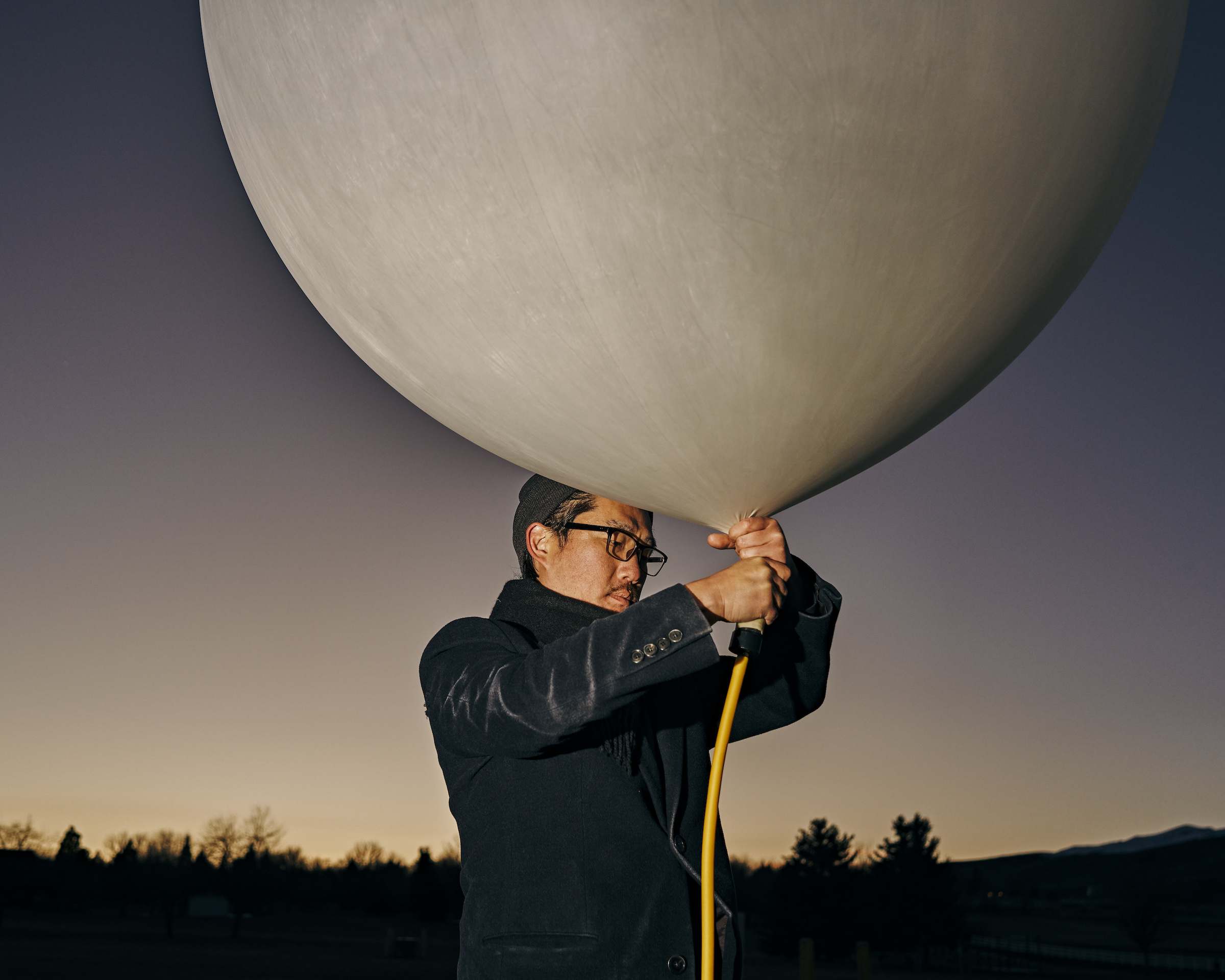
Co-founder Andrew Song of solar geoengineering startup Make Sunsets holds a weather balloon filled with helium, air and sulfur dioxide at a park in Reno, Nevada, United States on February 12, 2023.

Stratospheric aerosol injection, the idea of spraying sulfur dioxide into the upper atmosphere to cool the planet, is one of the most controversial topics in climate science, with scientists engaged in a fierce, yearslong debate over whether even researching such techniques poses unacceptable risks. To some people outside of that community, though, it no longer matters much what the academics think. “Can we just disagree and move on?” Andrew Song, the co-founder of controversial geoengineering startup Make Sunsets, said in February, as he and his business partner Luke Iseman drove to the Reno, Nev., site of their first stratospheric aerosol injection (SAI) test on U.S. soil. He described one email chain in which academics argued over how to categorize the technology. “This thread is 50 messages long in this debate,” Song said. “Like, who gives a fuck?”

[time-brightcove not-tgx=”true”]

For many observers, though, the heated petitions and articles on either side of the issue are deadly serious. Supporters of researching solar geoengineering techniques like SAI say it could serve as a critical tool to save lives from some of the worst effects of climate change; opponents say that even researching the subject risks legitimizing a solution with potentially catastrophic risks. Yet to some extent, for better or worse, the argument among researchers may soon be moot: the geoengineering horse might have left the stable. The Make Sunsets experiments in the U.S. and Mexico are just one indicator. Last year, the U.S. Congress mandated that the White House start looking at how the U.S. might research the technology. And the European Union earlier this year called for high-level talks on how to research and govern the practice.

This realignment became yet more clear on Sept. 14, when a group of prominent figures in climate policy published a new report calling for continued research into SAI and another geoengineering technique known as marine cloud brightening (artificially producing extra cloud cover to reflect the sun’s energy back into space) along with supporting further discussion between governments about the rules of the road. The group, dubbed the Climate Overshoot Commission by its organizers at the Paris Peace Forum, a non-profit focused on global governance issues, also calls for a moratorium on large-scale real-world geoengineering experiments.

Perhaps just as notable as its recommendations is the body’s composition: primarily former politicians, government ministers, diplomats, and NGO leaders. This 12-member group doesn’t directly have any policymaking authority, but its recommendations may carry weight for government leaders looking for a sparknotes primer on geoengineering policy.

And the fact that the commission took up the issue at all, much less recommended research despite warnings from a sizable section of the scientific community, may serve as an important signal that—as in last century’s debate over building atomic weapons—the deliberations over whether and how to use geoengineering are shifting out of scientists’ purview, and into the hands of political leadership.

“This discussion will happen, and in my view, the worst case scenario is that every country does what it sees fit,” says Laurence Tubiana, president of the European Climate Foundation and a member of the commission. “You cannot have only a scientific discussion at the moment where there may be a lot of pressure to really test.”

Read more: Inside a Controversial Startup’s Risky Attempt to Control Our Climate

In general, opponents of geoengineering research remain skeptical of any attempt to take geoengineering out of scientists’ purview. Some former participants with the Commission have expressed worry that the drafters of the report, some of them politicians with little background in atmospheric science, were being “instrumentalized” by the group’s organizers in order to create a global sense of normalcy around discussion of solar geoengineering, according to Climate Home. The opposition to studying geoengineering among scientists isn’t universal, though. In March 2021, the U.S.’s National Academies of Science, Engineering and Medicine, recommended that scientists “cautiously pursue” solar geoengineering research and establish governance frameworks to protect against risks.

It’s almost undisputed, even among those that want to study it, that solar geoengineering is very scary, and that use of it could potentially be catastrophic for human civilization. Weather pattern changes caused by releasing large amounts of sulfur dioxide into the upper atmosphere, for instance, could cause new natural disasters or global famine. Tinkering with the climate could create new geopolitical risks: what if one nuclear-armed country wants to alter the atmosphere and another does not? And, among policymakers and international businesspeople, the perception that humanity indeed does have another option, however dangerous, could siphon away initiative to pursue the zero-risk climate policy that scientists have been asking for for years: cutting greenhouse gas emissions.

“It’s really dangerous, and I’m very troubled that [solar geoengineering] has gotten mainstreamed to the extent that it has,” Jennie Stephens, a professor of sustainability science and policy at Northeastern University told TIME in March. “There’s only a handful of people who have made it their life’s mission to do this, and they’ve gotten philanthropists and billionaires on their side.”
The risk that a country—or one of those billionaires—might unilaterally employ geoengineering has grown more urgent as the world fails to address climate change at the scale necessary to avoid its worst effects. Geoengineering techniques like SAI are relatively easy and inexpensive to deploy, and could conceivably be done at scale by many different countries. For some of the most vulnerable, geoengineering could seem like a low-cost solution to stave off urgent damages. The Overshoot Commission frames itself as a way to get ahead of those actions and to cut through the scientific debate to offer actionable guidance to policymakers.

The report offers a range of suggestions about how to govern solar geoengineering research. It calls for an expert assessment body housed at an institution like the Intergovernmental Panel on Climate Change to assess current scientific understanding of the research and for U.N.-coordinated engagement between countries. The report calls for the expansion of research partnerships between countries in the Global North and Global South and for regulatory guidelines on where outdoor experiments might be conducted.

Read more: A Controversial Technology Is Creating an Unprecedented Rift Among Climate Scientists

Ultimately, those recommendations will only have weight if the world listens—and lots of politicians, billionaires, and philanthropies may have their own ideas. That’s especially concerning given that researchers have estimated that deploying solar geoengineering could cost only a few billion dollars—a relatively small sum for many countries and even some individuals. Last year, a report from the U.S. intelligence community identified ongoing solar geoengineering research programs in Australia, China, India, Russia, the United Kingdom, and the U.S. It warned that worsening climate change was making it more likely that countries would unilaterally deploy solar geoengineering projects.

Speaking in Nevada in February, Iseman and Song mentioned the possibility of performing their own experiments from international waters if governments banned their work. “I’ve worked with PhDs before, and I get what they do,” Song said, in the lead up to their experiment. “They’re very intelligent. They can look very far into the future. But at the end of the day, when the rubber meets the road, they need someone like me to actually implement it.” Then he and Iseman pulled up to a Reno-area dog park, filled up three balloons with helium and sulfur dioxide, and let them go.


source https://time.com/6314541/overshoot-commission-calls-for-climate-geoengineering-research/

The U.S.-Iran Prisoner Swap Is About More Than Prisoners

Iran US prisoner swap

After months of negotiations, the U.S. is unfreezing $6 billion in Iranian oil money and releasing five Iranian prisoners in exchange for the release of five American citizens held in the notorious Evin prison in Tehran.

[time-brightcove not-tgx=”true”]

The deal, brokered by the Qatari government, represents an unusual moment of cooperation between the two countries, says Sanam Vakil, director of the Middle East and North Africa program at Chatham House.

“The deal is an important stepping stone,” Vakil says. “It reinitiated indirect bilateral dialogue between Tehran and Washington and it sets the ground not only for the release of American hostages held in Iran for far too long, but also for discussions to contain Iran’s advancing nuclear program.”

The $6 billion had been frozen in South Korea for years and has been a major point of dispute between Tehran and Washington. 

The Biden administration now has an informal agreement with the Iranian government that will roll back enrichment levels in exchange for increased oil sales, Vakil says. The New York Times previously reported in June, based on interviews with Israeli, U.S., and Iranian officials, that the Biden Administration and Tehran were quietly negotiating an unwritten agreement that would amount to a “political ceasefire.”

Nevertheless, some remain skeptical that the Islamic Republic would follow through on that kind of informal agreement. On Saturday, Iran barred one third of United Nations inspectors from monitoring its nuclear sites. 

“The European Union is highly concerned by the report of the Director General of the International Atomic Energy Agency (IAEA) on Saturday’s decision by Iran to withdraw the official designation of several experienced IAEA inspectors to monitor and verify its nuclear programme,” states a press release

Another concern, Vakil says, is that the Iranian regime could be further incentivized to take hostages in order to leverage political and monetary concessions from Western governments. 

“The Islamic Republic has a long history of detaining American hostages. It goes back to 1979 when American hostages were held in the U.S. Embassy for 444 days,” Vakil says. “Western governments have not developed a united or coordinated policy that they’re willing to implement to prevent this practice of hostage-taking from continuing.”

Three of the five American prisoners’ names have been released to the public. All three are of Iranian descent and were sentenced to 10 years of prison time for espionage and cooperation with the U.S. government. The longest serving prisoner, businessman Siamak Namazi, has been imprisoned for eight years. The other two known prisoners, Emad Shargi and Morad Tahbaz, were arrested in 2018.

The three prisoners were housed in Evin prison, which is where the Islamic Republic jails many of the most prominent public intellectuals and political prisoners critical of the regime. It has been nicknamed by many as “Evin University” due the large numbers of students and professors jailed there.


source https://time.com/6315295/us-iran-prisoner-swap/

2023年9月17日 星期日

Donald Trump Discusses His Indictment, the Ukraine War, Abortion on Meet the Press

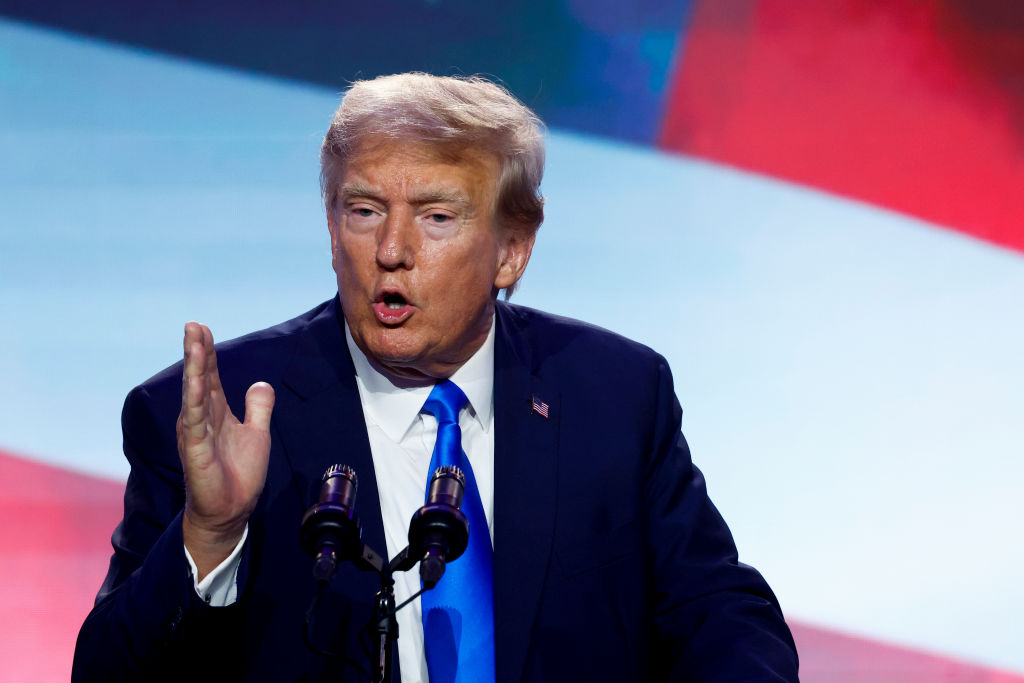
Donald-Trump-on-the-podium

Former President Donald Trump, who is vying for the 2024 Republican presidential nomination, appeared on NBC’s Meet the Press on Sunday. In an interview with Kristen Welker, Trump spoke about his criminal charges, the possibility of him selecting a female running mate, his stance on the Republicans’ abortion policies, and more.

Trump, who has been indicted four times, currently faces 91 criminal charges related to attempts to overturn his 2020 election loss in the state of Georgia, illegal retention of classified documents, defrauding banks and insurers, and falsifying business records to hide hush-money payments to adult film star Stormy Daniels, who claims she had a sexual encounter with Trump prior to the 2016 election race.

[time-brightcove not-tgx=”true”]

The former President has continuously claimed his innocence and has pleaded “not guilty” in court. Trump has also continued to allege that the 2020 election was rigged.

Despite his legal troubles, Trump is hoping to be the 2024 GOP presidential nominee, where he is facing off against candidates like Florida Gov. Ron DeSantis and his own former Vice President Mike Pence.

During his sit-down interview with Welker, the businessman covered a number of controversial topics. See the highlights, below.

Trump discusses the possibility of pardoning himself if he’s elected

Trump says that he chose not to pardon himself before leaving the Oval Office, saying he “had no interest in ever thinking about it.”

“The last thing I’d ever do is give myself a pardon,” Trump told Welker. “The last day I could have had a pardon done that would have saved me all of these lawyers and all of these fake charges.”

Trump added that it’s “very unlikely” he’ll pardon himself in the future if he gets elected because he believes he has done nothing wrong.

Trump did not listen to lawyers who said he lost the election

Former President Trump admitted that he challenged the 2020 election, despite top administration officials and lawyers advising him that there was no evidence of fraud. Asked why he ignored them, he said: “I didn’t respect them as lawyers.” He added that he did not listen to campaign attorneys because those lawyers were “RINOs,” which stands for Republicans in Name Only.

Trump, however, did abide by the suggestions given to him from other outside attorneys. But the ultimate decision was his. “I listened to myself. I saw what happened… my instincts are a big part of it, that’s been the thing that’s gotten me to where I am, he said.

Trump denies involvement in Biden impeachment efforts 

Trump denied any involvement in efforts to impeach President Joe Biden, which was announced on Sept.12 by House Speaker Kevin McCarthy. McCarthy said that Republicans had drawn evidence pointing to a “culture of corruption” in the Biden family, and were investigating whether President Biden benefitted from his son, Hunter Biden’s business deals abroad.

Trump said that he had not spoken to McCarthy about the current impeachment inquiry, noting: “I don’t talk to him like that.” He added that McCarthy would not have taken that decision based on him.

Trump says he needed 22,000 more votes to win the election, but is still adamant the race was rigged

Trump said that he needed about 22,000 more votes in order to win the 2020 election, but he fell short of admitting that he lost. “I say I won the election,” he told Welker, when she asked if he was acknowledging that he didn’t win.

Trump speaks out against abortion bans with no exceptions 

The former President also spoke out against abortion bans that had no exceptions for the health of the mother, or in cases of sexual assault.

“Other than certain parts of the country, you can’t — you’re not going to win on this issue,” Trump said, signaling that Republican legislators would not get popular support for passing broad abortion bans. “But you will win on this issue when you come up with the right number of weeks.”

Trump did not specify the exact scope of abortion regulations he would support but said he would work on a number that both sides would agree with. 

Trump is open to picking a female running mate

Trump, who remains focused on winning the Republican presidential nomination, said he still has not picked a running mate. The former President revealed that he will “pick the best person,” but likes the idea of choosing a woman.

Welker pointed out South Dakota Gov. Kristi Noem, who fully endorsed Trump during a September rally, as a potential candidate for Vice President. Trump called the governor “fantastic.”

“Certainly she’d be one of the people I’d consider, or for something else maybe. But we have a lot of people. We have a lot of great people in the Republican Party,” Trump said. If picked, Noem seems likely to accept, according to an interview with Newsmax on Sept. 7.

Trump says he could resolve conflicts between Russia and Ukraine 

The former President also said that he could resolve conflicts between Russia and Ukraine. “I would get him [Putin] into a room. I’d get Zelensky into a room. Then I’d bring them together. And I’d have a deal worked out… It would have been a lot easier before it started. Essentially for four years, I kept them from doing anything,” he claimed. Trump did not share his exact strategy for getting the countries to make a “fair deal.”

Russian President Vladimir Putin previously spoke highly of Trump’s claims that he could resolve issues between the countries rapidly, saying that he could not “help but feel happy about it.” When asked about what he made of Putin’s support, Trump said he “like[s] that he said that.”

Trump’s actions on Jan. 6

Welker asked the former President about his actions on Jan. 6th, when thousands of rioters took over the Capitol building in Washington, D.C. protesting against Trump’s election loss. During the attack on the Capitol, Trump told demonstrators to “go home,” adding that they were special and loved.

Trump has faced staunch criticism for his remarks toward the rioters and is charged with conspiring to block the election certification process in Congress, among other election-related charges. Former White House Press Secretary Stephanie Grisham previously claimed, in an interview with CNN’s News Day, that the former President was “gleefully” watching the rioters via a television in the White House, rewinding the footage and watching their actions over and over again.

During his Meet the Press interview, Trump declined to comment on what he was doing during the early hours of Jan. 6, and did not say whether he called military or law enforcement. When asked whether he would pardon figures who were at the attack on the Capitol, like Proud Boys leader Enrique Tarrio, Trump said that he would look into it.


source https://time.com/6315068/donald-trump-meet-the-press-interview/

The World Is Struggling to Make Enough Diesel

Diesel-pumps-stock-image

The world’s oil refiners are proving powerless to make enough diesel, opening a new inflationary front and depriving economies of a fuel that powers industry and transport alike.

While oil futures are rocketing — on Friday they were just below $95 a barrel in London — the rally pales in comparison with the surge in diesel. U.S. prices jumped above $140 to the highest ever for this time of year on Thursday. Europe’s equivalent soared 60% since summer.

[time-brightcove not-tgx=”true”]

And it could get worse. Saudi Arabia and Russia have turned down the taps on production of crudes that are richer in diesel. On Sept. 5, both nations — leaders in the OPEC+ alliance — announced they would prolong those curbs through year-end, a period in which demand for the fuel usually picks up.

“We’re at risk of seeing continued tightness in the market, especially for distillates, coming into the winter months,” said Toril Bosoni, head of the oil market division at the International Energy Agency, referring to the category of fuel that includes diesel. “Refineries are struggling to keep up.”

The situation is challenging for a global refining fleet that’s been dogged by lackluster production for months. Searing Northern-Hemisphere heat this summer forced many plants to run at a slower pace than normal, leaving stockpiles stunted. 

There’s also been pressure on them to make other products instead like jet fuel and gasoline, where demand has rebounded hard, according to Callum Bruce, an analyst at Goldman Sachs Group Inc.

Other fuels

All this comes on top of a global refining system that shuttered less-efficient plants when Covid-19 trashed demand. Now consumption is rebounding but many refineries are gone.

There’s still hope that the diesel crunch can ease. With cooler winter months approaching, the weather-related constraints on the refineries overall decrease — even if some of them will undergo routine seasonal maintenance.

“We think margins have overshot for now,” Bruce said, adding that stretched market positioning and the temporary nature of some refinery disruptions could spark a reversal.

Still concerns

Even so, there are still worries about supply from some key diesel-exporter nations. 

Russia — still a major supplier to the world despite Western sanctions — has indicated that it’s looking to limit the volume of the fuel it sends to global markets. 

China — another potential supply-relief valve — recently issued a new fuel export quota, but traders and analysts in Asia said the volume currently planned won’t be enough to prevent a tight market through the end of the year. The country’s shipments have been stuck near five-year seasonal lows for much of 2023. 

Those lower flows are showing up at key storage hubs. Observable stockpiles in the U.S. and Singapore are all currently below seasonally normal levels. Inventories in OECD nations are lower than they were half a decade ago.

The restricted supply has economic consequences. The surge in U.S. futures has been driven in part by truckers snapping up the fuel.

“Diesel is the fuel of the 18-wheeler truck that moves products from factory to market, so when prices spike, those higher transportation costs get passed on to businesses and consumers,” said Clay Seigle, director of global oil service at Rapidan Energy Group.

While there has been growing hope that the U.S. economy can avoid recession, “an energy price spike – whether in gasoline or diesel fuel prices – could undermine much of that progress,” he added. “This risk is not lost on anyone in Washington as election campaign season approaches.”

Soaring diesel prices may also push refineries to prioritize the fuel at the expense of making gasoline, he said.

Weak demand

The situation for diesel could have been worse because consumption growth hasn’t been as robust as other parts of the barrel. 

The IEA’s monthly report last week anticipated consumption growing by about 100,000 barrels a day this year. That compares with almost 500,000 barrels a day for gasoline and more than 1 million barrels a day for jet fuel and kerosene.

“It’s a supply issue at heart,” said Eugene Lindell, head of refined products at consultant FGE. “European refineries were also unable to build up supplies over the summer because of widespread unplanned outages which has left inventories tight ahead of winter.”


source https://time.com/6315039/diesel-shortage/

من هشت سال گروگان ایران بودم. آیا دوستانم از بمباران اسرائیل جان سالم به در بردند؟

Read this story in English here نمازی گروگان سابق آمریکایی در ایران است و اکنون عضو هیئت مشاوران ابتکار آزادی برای زندانیان سیاسی در...